
In every generation, there are artists who don’t just perform culture—they shift it. Mica Javier has long been known as a multi-hyphenate—pop star, actor, and creative force. But with Songs for Selina, her latest project, she steps into a new register: one that amplifies Filipino voices and reframes how our narratives are told on screen and in sound.
Here, Mica is not only performing; she is producing, curating, and asserting agency over the stories that define us. It’s a leap that signals both creative evolution and cultural responsibility—marking her as an artist who is shaping not just songs, but the stage on which Filipino stories stand.
We sat down with Mica to unpack how Songs for Selina redefines agency in Filipino storytelling, her shift from center stage to behind the camera, and the responsibility she carries in amplifying voices ready to be heard.
1. Songs for Selina doesn’t shy away from raw truths—abuse, LGBTQ+ identity, the politics of the music industry. What real-life moments or conversations became the heartbeat of this story, and why did you feel now was the time to bring them to the screen?
Having worked my way up in Philippine showbiz from the ground up, no handouts, just sheer hard work, I’ve experienced both the highs of milestone moments and the realities that often go unnoticed. Over the years, I witnessed systemic issues: artists stuck in bad contracts, unfair pay, moral struggles just to survive, and workplace hierarchies that stifle honest conversation. Many of these are silent struggles that are rarely discussed. Songs for Selina has been six years in the making, and what felt important then remains deeply relevant today. We wanted to show that these challenges in navigating a career in entertainment are universal, not just in the US, and that awareness is the first step toward change. Knowledge is power, and this story is about sparking that conversation, and of course, enjoying good music and a touching narrative at the same time.
2. As a Filipina artist breaking into U.S. media with an unapologetically Filipino film, what does “representation” mean to you beyond just visibility? How do you balance global reach with staying rooted in the nuances of your own culture?
Representation to me means telling authentic stories that go beyond the stereotype. Humans across the globe all go through the same struggles and have to learn the same
lessons, just in different formats. We connect not just through how we look, the color of our skin, but also through the shared experiences, pains and triumphs we all go through. We aim to share what feels real, and if that means telling stories through the lens of our Filipino upbringing and culture, then that would be a meaningful step forward in representation.

3. You’ve moved from performing on global stages to co-producing a feature film. What has this transition taught you about creative ownership—and how has music continued to be your most personal way of telling a story?
Creative ownership is everything. Moving beyond a paycheck or a “talent fee” means building equity and confidence as a creator. Most people don’t realize the whirlwind of responsibilities it takes to bring an idea to life, and the business savvy required to truly own what you create. It’s a disservice to artists to freely give away work born from scratch, and you only deserve what you negotiate. It’s challenging, sometimes scary, but ultimately empowering when you see the results of your efforts. Music, compared to film, is even more personal. You can’t hide behind a character, script, or set.
It’s raw vulnerability and a unique form of connection sharing your emotions through song, performing them yourself, and then releasing them into the world. Once a song is out, the audience makes it their own, interpreting and feeling it in ways you could never predict, and that’s the beautiful magic of music as storytelling.
4. The Songs for Selina soundtrack is entirely yours—written, performed, lived. Where did the music speak louder than the dialogue, and is there a particular song or lyric that still feels like a secret between you and Selina?
My husband, Jay R is responsible for the entire soundtrack. I helped write some songs but ultimately, he was the genius behind the music. It was interesting writing music for a film
instead of for personal artistry, because you have to move the story along through song, depending on the scene. “Me, Myself and I” is one of the songs in the film that I love. One of the verses goes like this: I didn’t expect this, I didn’t even think it could happen. I’ll be good on my own, I’ll be going solo, but you came through…” Pursuing artistry can be a very lonely path, full of ups and downs, but when you have faith and a connection with a higher power, good intentions, sometimes angels come to help you out when you least expect it. That hits home.
5. On and off set, you’ve championed underrepresented voices. What does creating an inclusive creative space look like for you, and what changes do you hope to see in the global film and music industries?
Creating an inclusive creative space, for me, starts with listening and giving people that are hungry, put in the work, and have grit, the room to share their stories and perspectives without fear of judgment. In the global film and music industries, I hope to see more structural changes that make this inclusion the norm rather than the exception: fair contracts, equitable opportunities, and leadership that actively champions diverse voices. Ultimately, it’s about creating work that reflects the richness of the world we live in, while making space for emerging artists to thrive authentically.
6. With Songs for Selina now streaming on Amazon Prime US, what’s next for you? Are there new projects or collaborations already in motion—and what legacy do you want your work to leave for the next generation of Filipino storytellers?
Songs for Selina will continue to be available on Amazon Prime US, which we’re thrilled about, and it’s also accessible on Comcast, Xfinity, and Cox. In September, it will have an exclusive release on Tubi, followed by availability on Apple TV and other platforms. Later this year, we’re excited to bring it to theaters in the Philippines. We’re gearing up for a few exciting screenings and activities where our community can experience our film and the music live, we’re also developing a few new scripts that we hope to produce next, and finally, I’m releasing a new single this September titled “Bleed.” The legacy I hope to leave for the next generation of Filipino storytellers is simple: stay authentic to your experiences, explore the universal truths within your story, and create work that moves, inspires, and connects people across the globe.
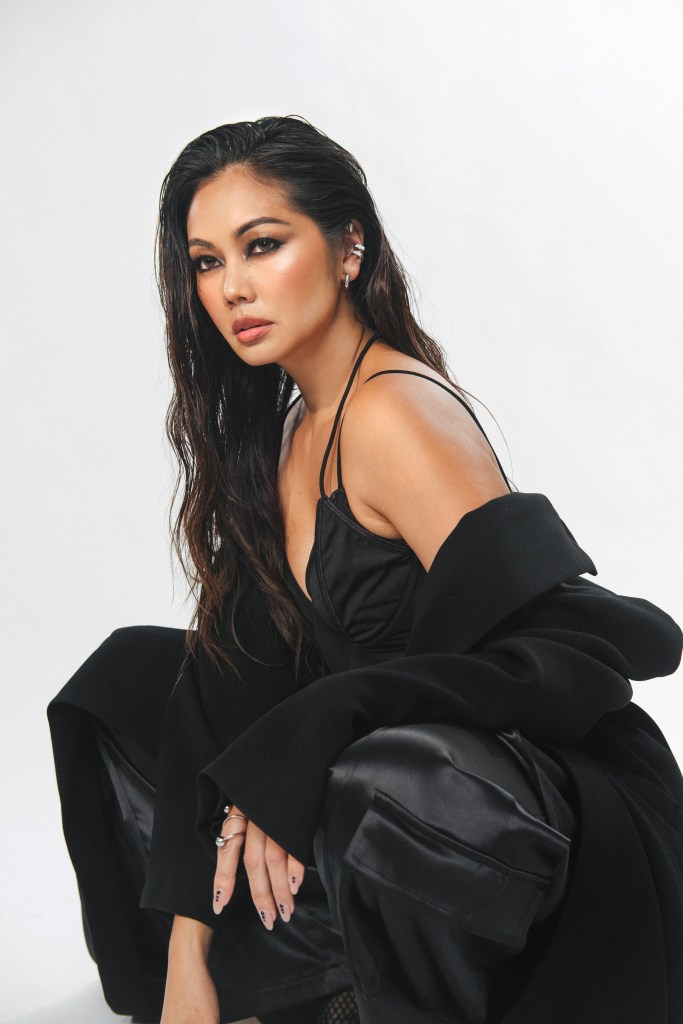
With Songs for Selina, Mica Javier is not just creating a soundtrack—she’s opening a portal. One where Filipino identity is not confined to stereotypes, but allowed its full complexity, rhythm, and resonance. By stepping into the role of producer, she expands the frame for what it means to be a Filipino artist in the global arena. And in doing so, she reminds us that the most powerful stories are not just performed; they are owned, reimagined, and fearlessly told.