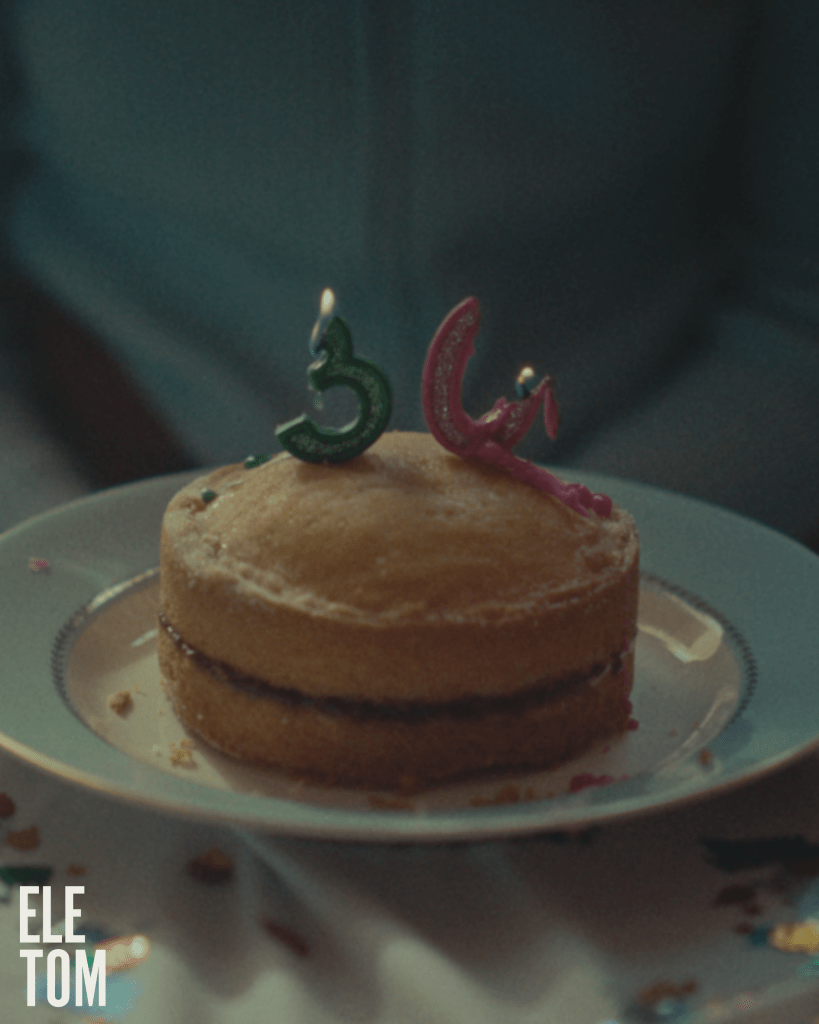
In a world where timelines and societal standards define a woman’s worth, Award-winning director Rosie May Bird Smith flips the script—literally. EGG TIMER, her latest dark comedy, explores the “ticking biological clock” that women encounter with unfiltered wit and, surprisingly, giant walking eggs? As absurd as it may seem, the film is incredibly relevant and striking, transforming existential dread into razor-sharp satire that captures a generation’s quiet panic with style, humor, and emotional impact.

We sat down with Rosie to discuss how she transforms universal yet deeply personal anxieties into her new dark comedy and what audiences can expect from this bold, new, and witty film.
The premise of EGG TIMER is both hilarious and haunting—what inspired you to personify ovarian eggs as characters, and how did you approach balancing comedy with emotional depth?
Ah, hilarious and haunting – the perfect compliment! I honestly couldn’t tell you where these things come from half the time, but I think this one stemmed from a tidal wave of friends’ engagements, babies, and house purchases, and then a subsequent personal panic about when my maternal instinct might finally take hold.
I also often think of my body as not dissimilar to a referee; it tells me where I need to be and at what point, essentially yelling instructions at me from the sidelines. So what better way to personify that voice than through judgmental ovarian eggs? Regarding the balance between comedy and emotional depth, I try to write about real life (often slightly hyperbolized), and so both inherently arrive with that, I hope.
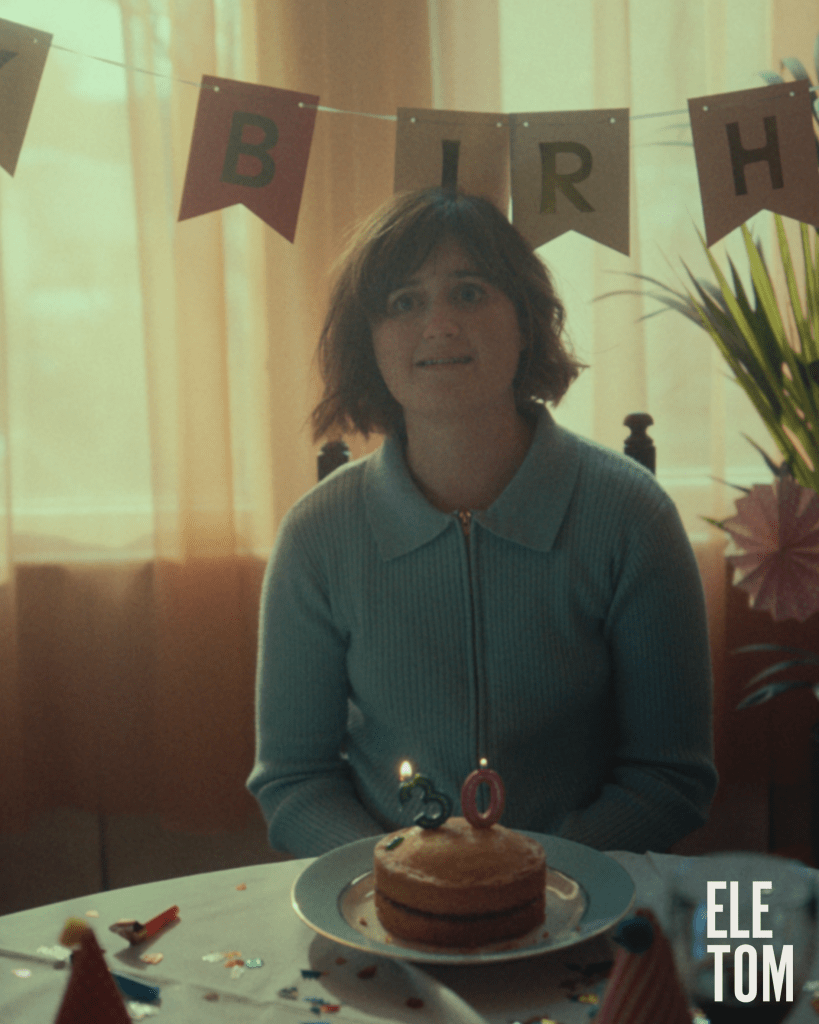
You have such a distinct style as a director. How did you approach the visual world and tone of EGG TIMER, especially with such surreal, character-driven comedy?
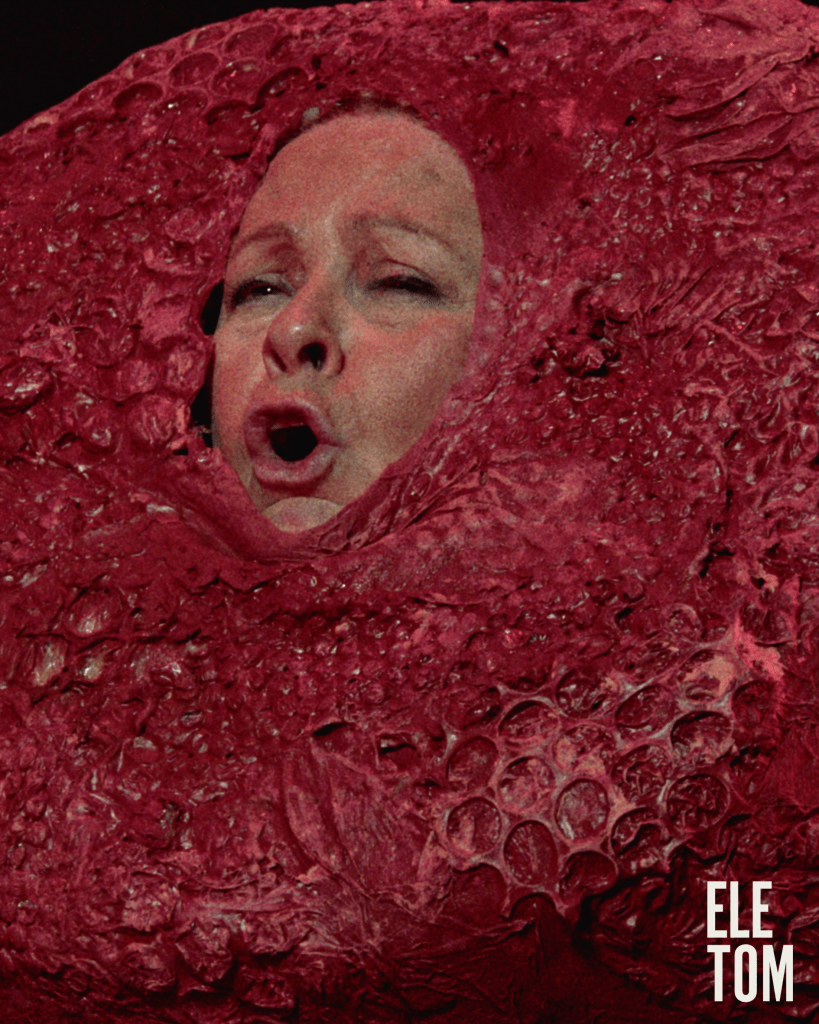
Once the script is largely finalized, I create a comprehensive document for all my HODs that helps everyone get on board with the vision. This time around, it included a lot of Doctor Who-like headpieces and some bloody, womb-like, nodular texture references. There were also the usual lighting, wardrobe, and set design mood boards, which every department oversees. I usually opt for a cinematic grade, as I dislike white walls, and I strive to put things in a slightly ambiguous era so they don’t date. This time, it was somewhat different, though, as half the film is set in a red-light-drenched studio, so there weren’t as many lamps and chairs to pick out as I’d generally like.
Rosie, your award-winning streak is incredible—from ‘Most Promising Director’ to ‘Best Use of Humour.’ What do those recognitions mean to you at this stage in your career, and how do they influence what you create next?
Recognition is lovely. It’s hugely flattering. I love awards, and I love award shows even more (the food is divine). Awards are good at securing you more work because you have all these fancy accolades to your name, but ‘most promising’ is a lot to live up to – so they don’t so much influence what I create next, but they do make me feel that whatever it is, better be half decent…

The societal pressure on women to have children by a certain age is a topic not often explored with levity. Why was it essential for you to tell this story through the lens of dark comedy?
There’s a whole lot of serious in the world, isn’t there? And a lot of shorts, through no fault of their own, often are pretty hefty. What’s great about comedy is that it can be used as a vehicle for a more serious message, and if told in the right way, it might make that message slightly more digestible. That’s what I often find anyway.
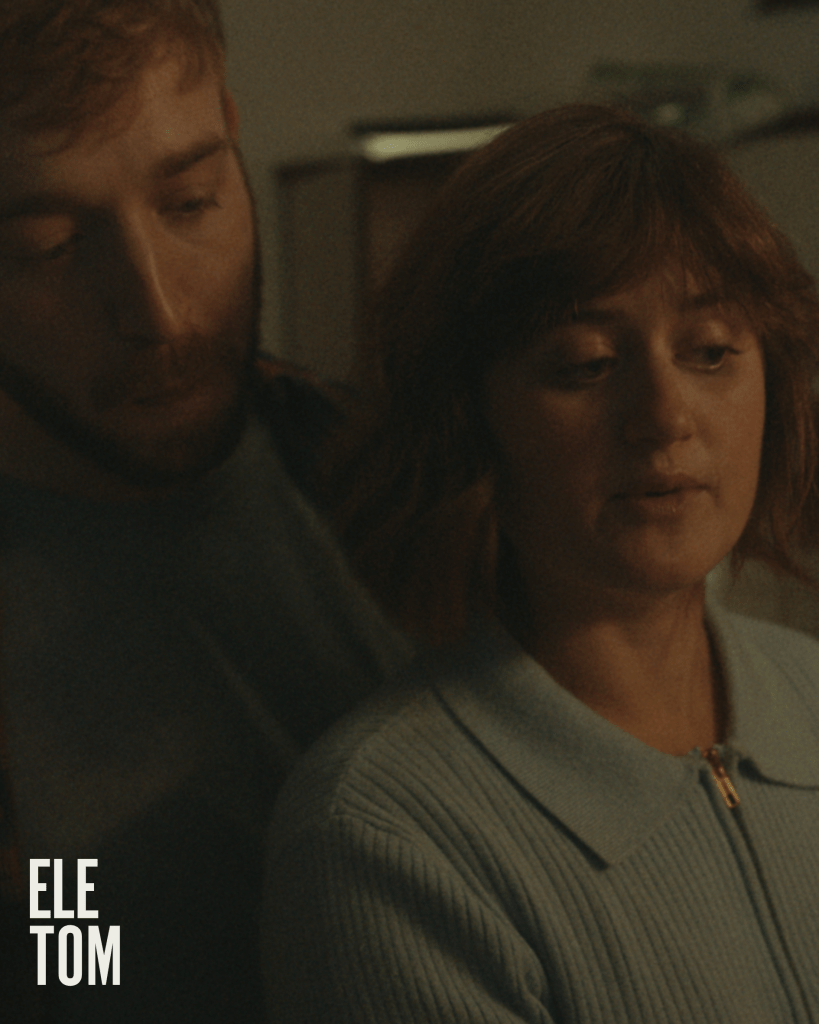
What was the casting process like, especially for roles that involved literal egg costumes? How did you approach directing such surreal characters while keeping them grounded and relatable?
I always knew that I wanted the eggs to be played by comedians because I always wanted that part of the film to be partly improvised. I had a basic outline and beats I knew we needed to hit, but I wanted them to bring their ideas, tone, and lines to it. I had a brilliant casting director named Emma Garrett, who helped approach some of the comedians we had in mind, and luckily, they said yes. The magic happened, though, when we told them the aim of the scene and then just let them all loose, donned in (cumbersome) egg head costumes.
With backing from major players like Slick Films and Biscuit Filmworks, what kind of creative freedom or pressure did you experience, and how did you protect your vision?
Both production companies were incredible in their support, never overstepping the mark. They helped in every way possible by providing script editors, hooking me up with new BTS photographers and videographers that I hadn’t worked with before, and offering opinions on early edits without forcing them. The freedom was there from the start, but so too was the advice, which is the perfect combination for a writer/director.
What message or feeling do you hope women in their late 20s and early 30s take away after watching EGG TIMER, especially those navigating expectations around motherhood, career, and identity?
It’s not supposed to be a deeply profound or new takeaway, but as long as anyone watching realizes that they’ve a choice in their decisions throughout life—and shouldn’t succumb to pressure or made-up timelines—then I will feel like I’ve done my job.
In a cultural landscape saturated with noise, EGG TIMER cuts through the chaos with razor-sharp humor and yolk-yellow brilliance. Rosie May Bird Smith doesn’t just parody societal pressure—she peels it back, exposing the soft vulnerability beneath the punchlines. The film serves as a mirror for a generation quietly navigating ambition, identity, and fertility, all while seeking humor in the chaos.
EGG TIMER is more than a short film. It’s a permission slip—to question timelines, to take up space, to laugh at the absurdity of it all. And if that means seeing a part of yourself in a judgmental, head-wobbling ovarian egg? Even better.