Sunday ELETOM · Music, memory, and the art of living well.
The email was about a box set. I was thinking about a room.
Out November 6, 2026: Miles Davis & John Coltrane: The Complete Columbia Recordings 1955–1961 returns in nine-LP and six-CD editions. Preorder the vinyl box set or preorder the CD edition through Sony Music.
Explore the release: Shop the 9LP vinyl collection at Sony Music.
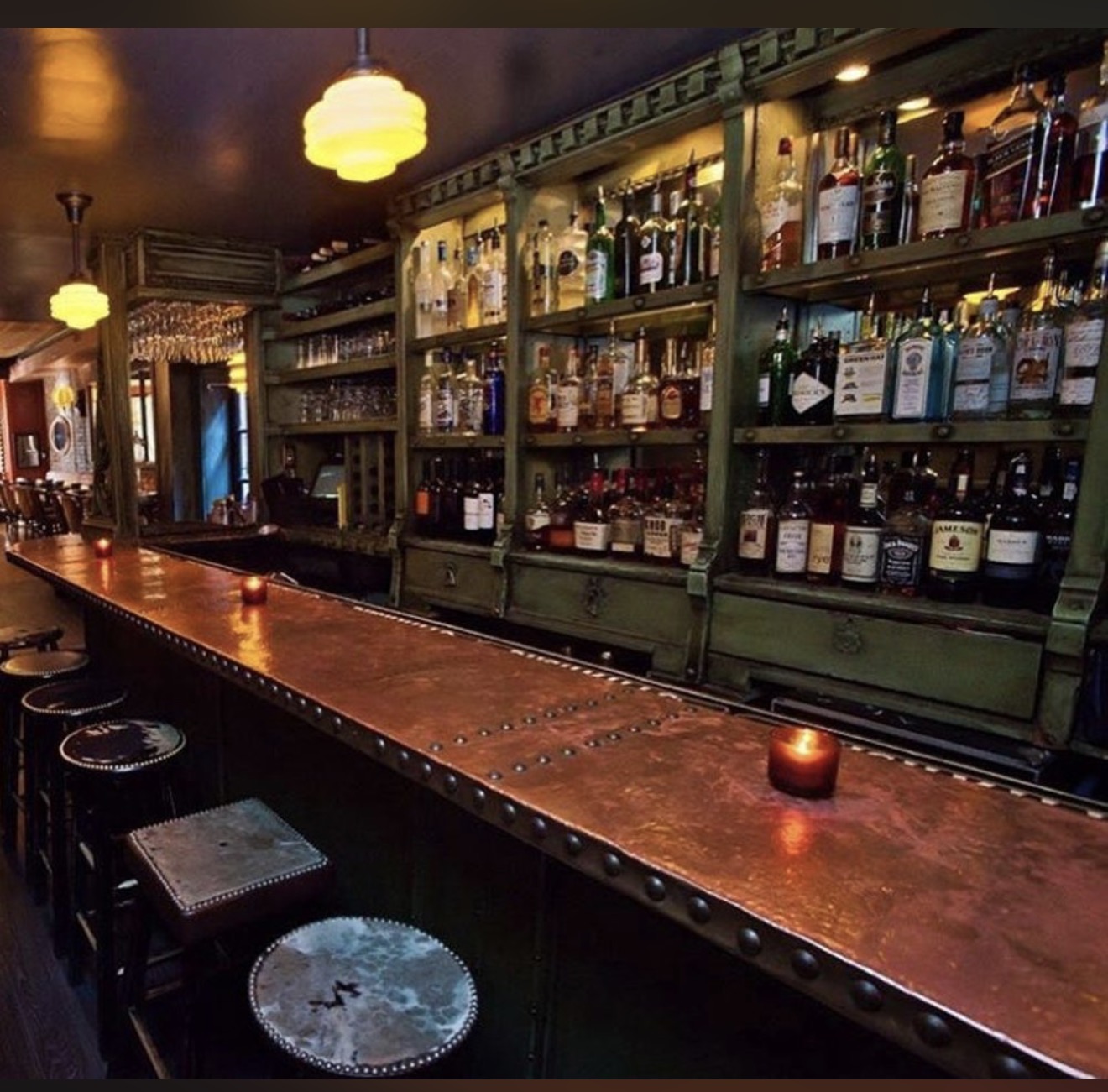
On November 6, Columbia Records and Legacy Recordings will release the first-ever reissue of Miles Davis & John Coltrane: The Complete Columbia Recordings 1955–1961. I read the announcement and found myself back above Ninth Street in Washington, DC: the copper bar, the low lights, our friends playing a few feet away. A Thursday night at 1905.

1905 was a little French-inspired bistro and bar in Little Ethiopia, near the U Street corridor. Joe, my husband, and his business partner, Mick Mier, were its first partners. Mick directed the design; Joe paid close attention to the playlist and the lights. Together, they helped create a room people wanted to stay in.
The space was vintage, worn, layered. The long copper bar caught the candlelight. Mick has since passed, but it’s hard to look at that room without thinking of him. On Thursdays, the musicians gave it an energy that made the night its own.
We called it Absinthe and Acid Jazz. Joe and Mick came up with the idea; as I remember Joe explaining it, the name sounded cool. I couldn’t have given you a particularly useful definition of acid jazz, either. Fortunately, our friends knew what to play.
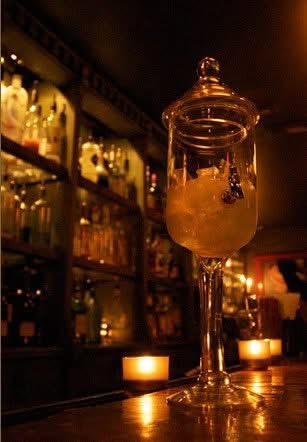
I worked Thursdays. Only Thursdays. I was fast and friendly, could work the room, and knew how to get people to stay, spend, and drink. I was the cocktail girl, serving absinthe after hours.

My friend Joseph Brotherton led the Cricket Fusion Quartet on trumpet and flugelhorn. Joseph has a musical life well beyond that room, but it is how I first think of him: playing close enough that you could see the music being made. His trumpet gave those evenings a voice I still associate with being young in DC.
On saxophone was Elijah Jamal Balbed. His career has since taken him far beyond those Thursdays, but in my memory he is still part of that conversation between our friends. There is something special about knowing a musician first through nights like those. The bigger stages come later; the feeling of hearing them up close stays with you.
Oliver Albertini was on bass, as essential to the conversation as the horns and drums. Listening to the four of them together helped me hear how much each musician contributed. I remember Oliver as part of what held that sound together, giving the others something to move with and respond to.
And on drums was Jeff Franca, a composer and producer whose musical life would extend into Thievery Corporation and his own project, ETHNO. We got to hear that talent a few feet away. I think about that now: how fortunate we were to have evenings like those as part of an ordinary week.
There were surprise guests, too, including drummer Robert “Mousey” Thompson. Musicians would feel the energy and join in. The night could change with the arrival of another person, another instrument, another idea. You couldn’t order the same evening again, even if you came back the following Thursday. We did, of course.

These were musicians with lives and careers beyond 1905. They were also our friends. There was something almost nostalgic about those nights even while we were living them. The room felt as though it belonged to another time, but the music was happening right there, shaped by the people in it.
They are the reason I fell in love with jazz and blues. Hearing our friends play changed how I listened. I could hear a phrase take shape and then go somewhere I hadn’t expected. I began to understand how much could happen between musicians who were listening to one another.
Around them, the room had its own rhythm. Capitol Hill people, artists, athletes looking for somewhere quieter, older locals, and friends staying for another drink. We talked about life, politics, music, culture. You didn’t have to agree with everyone to spend an evening with them.
Some became my best friends. We stayed late, drank after hours, and smoked cigarettes inside when we weren’t supposed to. The older regulars, the cool ones, smoked cigars. Those nights became part of my life, and the music has kept them close long after I left DC.
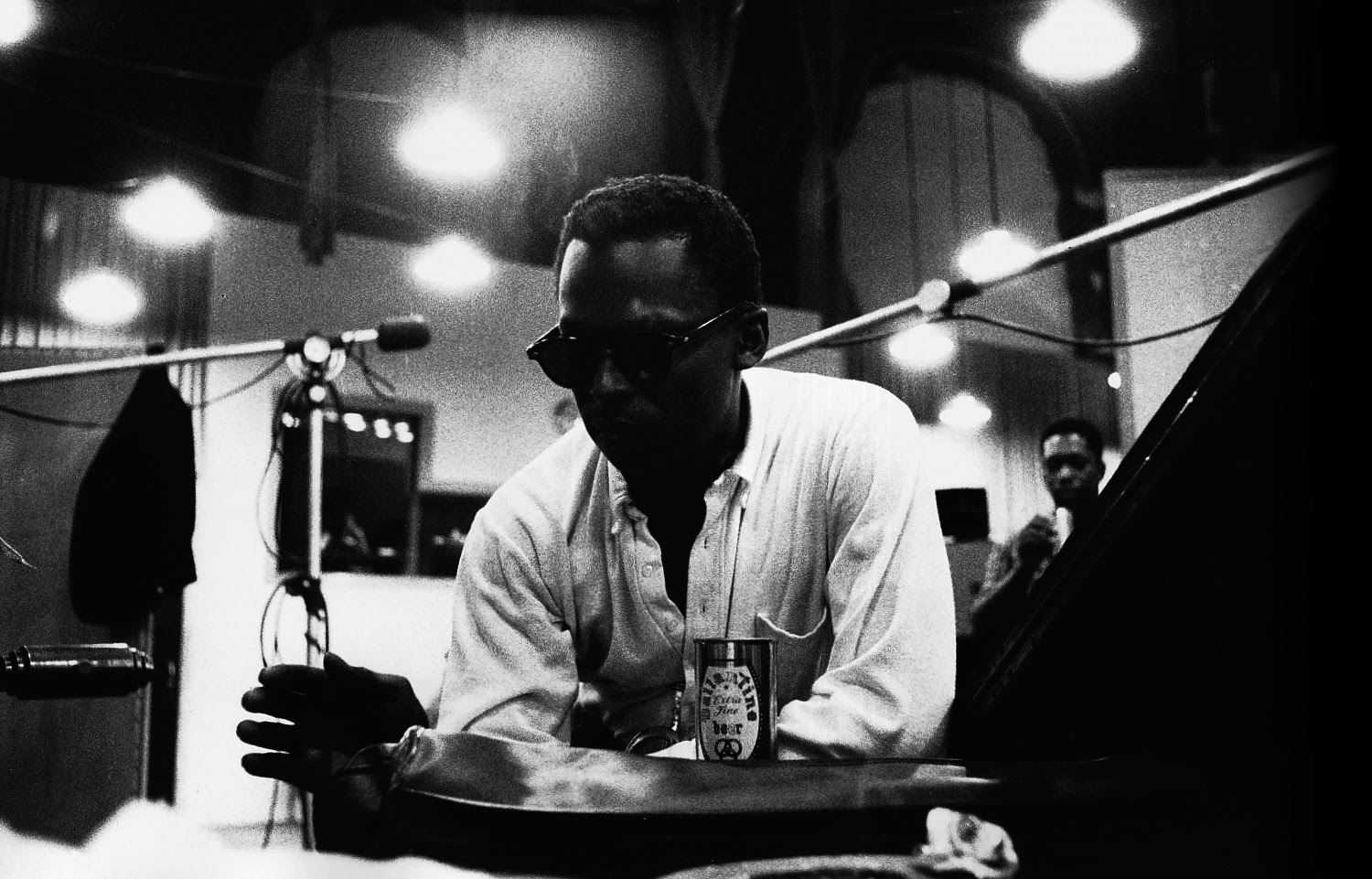
If Miles Davis and John Coltrane are names you know without quite knowing their music, this is a lovely place to begin. Davis was a trumpeter and bandleader who kept finding new directions for jazz, from the measured arrangements of Birth of the Cool to the electric experiments of Bitches Brew. Coltrane was a saxophonist and composer whose searching approach would lead to Giant Steps and A Love Supreme. Those other albums are outside this collection, but the years they spent playing together helped make both men who we remember today.
The musicians around them matter just as much to the sound. Across these sessions, the changing lineups include Cannonball Adderley on alto saxophone; Red Garland, Bill Evans, and Wynton Kelly on piano; Paul Chambers on bass; and Philly Joe Jones and Jimmy Cobb on drums. Tenor saxophonist Hank Mobley also plays on “Someday My Prince Will Come.” This is a collection of bands evolving over several years, with each musician bringing something of his own to the music.
Listen to how differently they can approach the same piece. Davis can make a short phrase feel complete, leaving room around it. Coltrane often seems to be following an idea further, finding another turn inside it. On Kind of Blue, recorded in 1959, the musicians explored improvising around scales, or modes, with fewer changing chords directing their path. That gave them freedom to shape the melody as they went. You can hear the individual personalities and the attention they give each other. You don’t need to know the theory to feel it.
That is part of why these recordings endure. They helped expand what jazz musicians could do with a tune, a band, and the space inside a piece of music. They also reward the simplest kind of attention: listening again. Follow the trumpet one evening, the saxophone another, then notice the piano, bass, and drums holding the conversation together. Even a familiar recording can give you something you hadn’t heard before. For me, that is a reason to keep a record close: the feeling can be familiar while the listening keeps changing.
That is what I think about when I hear “Flamenco Sketches”: the space the musicians leave each other, the way a solo can change the feeling without breaking it. “So What” has a different pull, its bass-and-piano opening giving way to the horns. Both make me want to stop what I’m doing and listen. Hearing our friends improvise helped me appreciate that exchange. The records and those live nights became connected in the way I heard them.
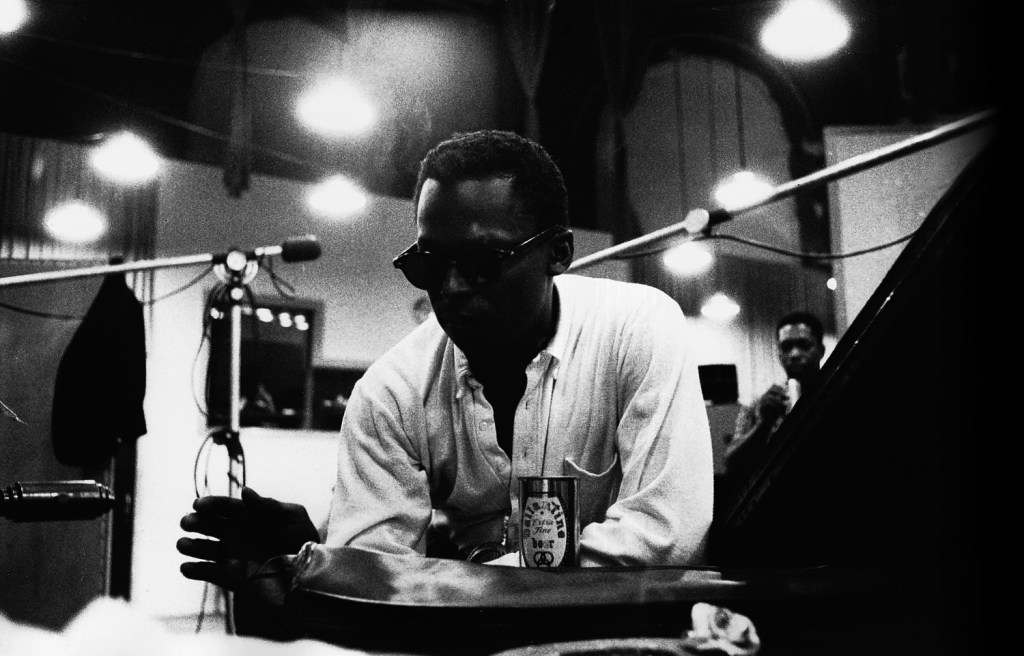

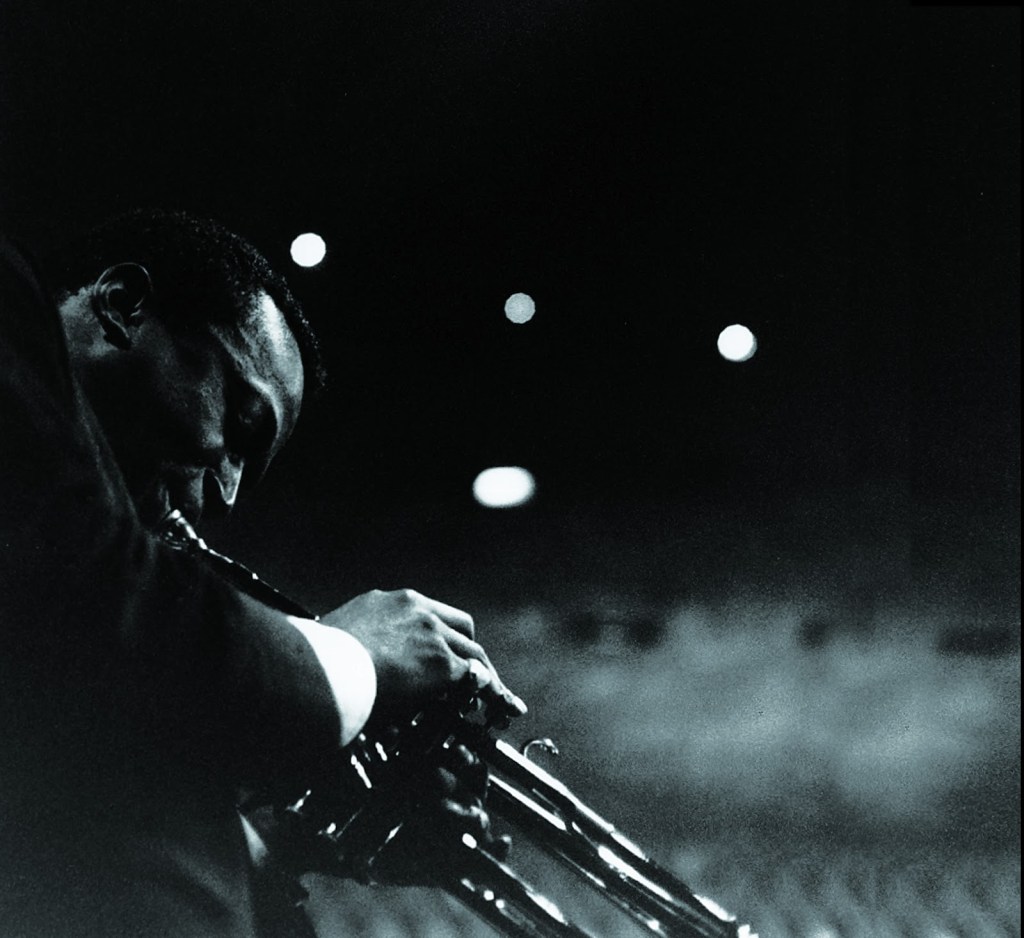
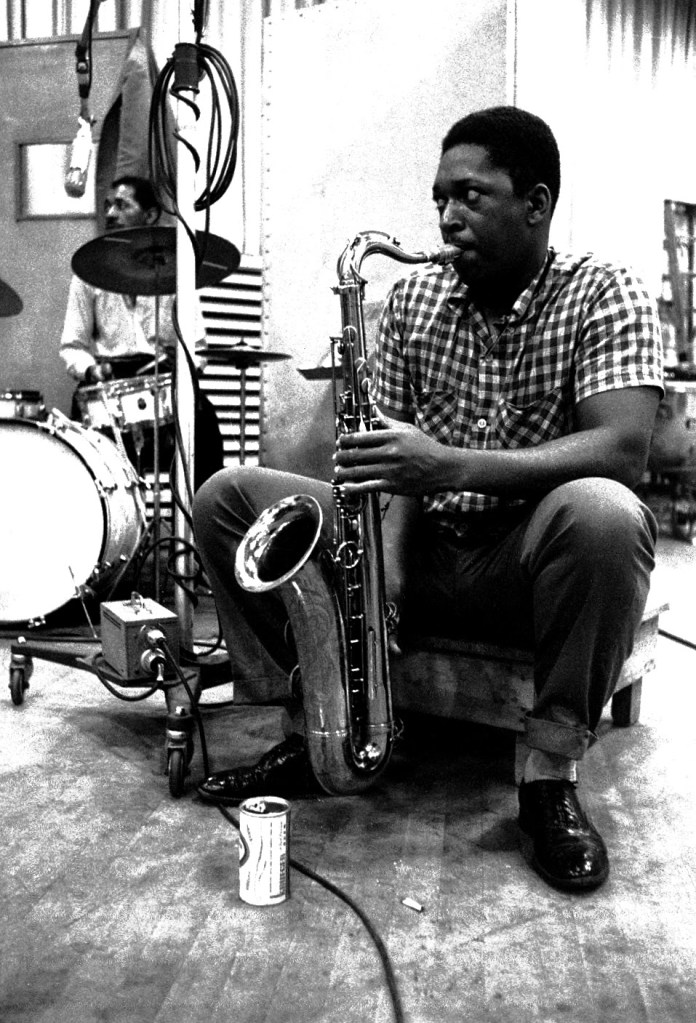
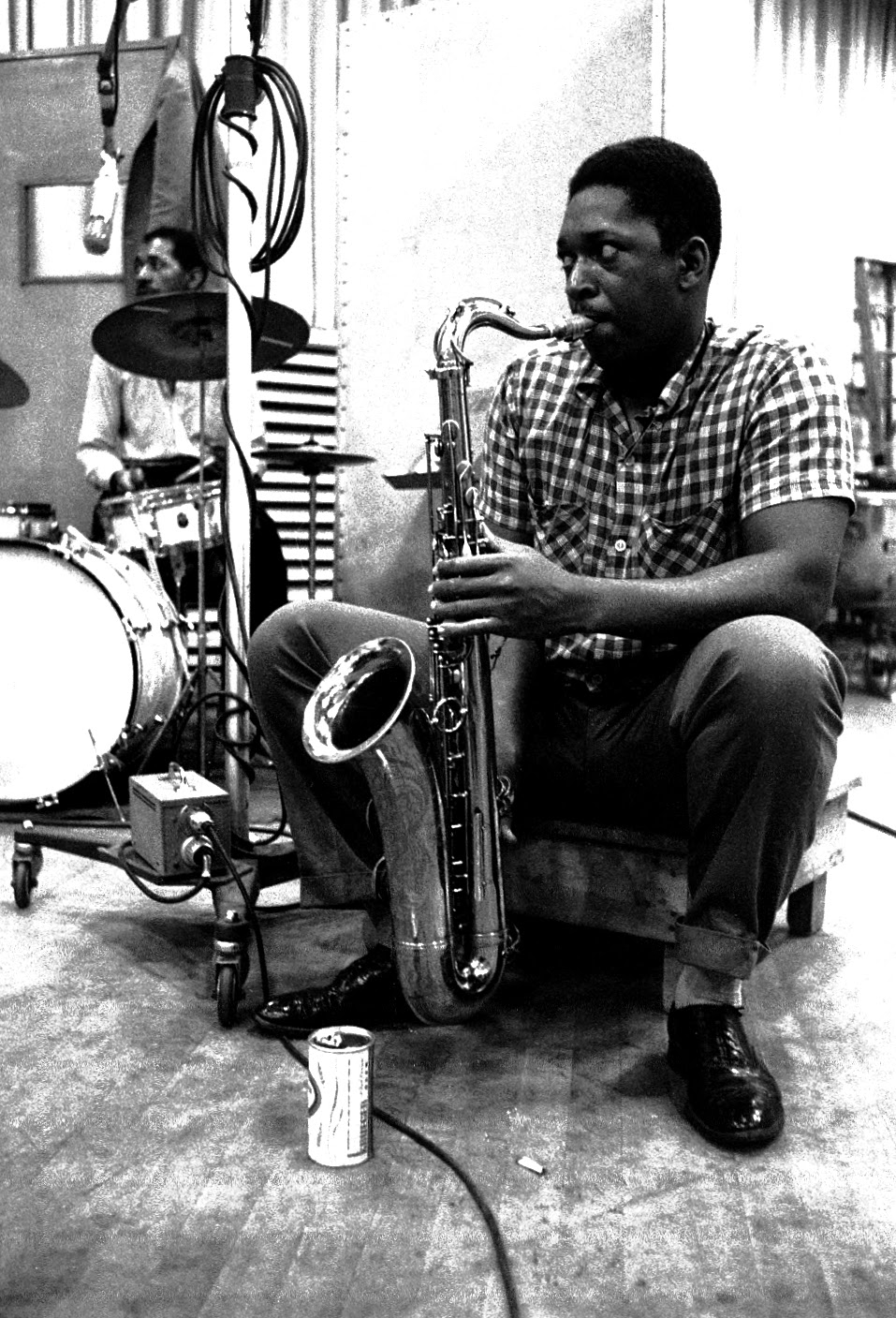
Archival imagery courtesy Sony Legacy Recordings.
That connection is what makes this release feel personal. The collection brings together 58 tracks from Davis and Coltrane’s Columbia years, including music from ‘Round About Midnight, Milestones, and Kind of Blue. Originally released in April 2000, the set returns on November 6, 2026, in the year of both artists’ centennials.
Originally produced by Michael Cuscuna and Bob Belden, the complete collection returns as nine LPs, each in an individual jacket, with a slipcase and an illustrated book. The six-CD edition has a 116-page book. The press announcement identifies the vinyl audio as Mark Wilder’s 2000 remix and remaster, cut directly from analog tapes by Ryan Smith at Sterling Sound. The earlier Mosaic Records vinyl edition was issued in very limited quantities; this is the collection’s first reissue, not its first appearance on vinyl.
It gives you room to follow their partnership across albums, alternate takes, and live performances, rather than meeting them through one famous track. A separate two-LP selection, The Best Of Miles Davis & John Coltrane (1955–1961), will also receive its first vinyl release.
I worry about how quickly music and art are made and consumed now. It is easy to move on before we have had time to take something in, even something an artist spent years learning how to make. Those nights remind me how much music can give us when we stay with it. I want more people to have that experience with jazz and blues, whether they are returning to it or finding it for the first time.
Those Thursdays were some of the most special, unforgettable nights of my life. Friends were there, and strangers became friends. The music gave us a reason to be in the same room, and then to stay a little longer. Years later, I remember the people as clearly as the sound.
That is what I hope someone finds through these records, even if they have never listened to Miles Davis or John Coltrane before. Start with “So What.” Follow the trumpet, then the saxophone. Let the record play beyond the part you recognize. Invite a friend over. Go hear the musicians playing in your own town. Give yourself a chance to be surprised by what you hear, and by who you might meet while listening.
That is why this reissue feels worth keeping. These recordings hold the work of musicians who changed how others played and listened, and they are still here for someone to hear for the first time. Every new listener brings a different life to them. At 1905, our friends opened that door for me. I hope this music opens it for someone else.