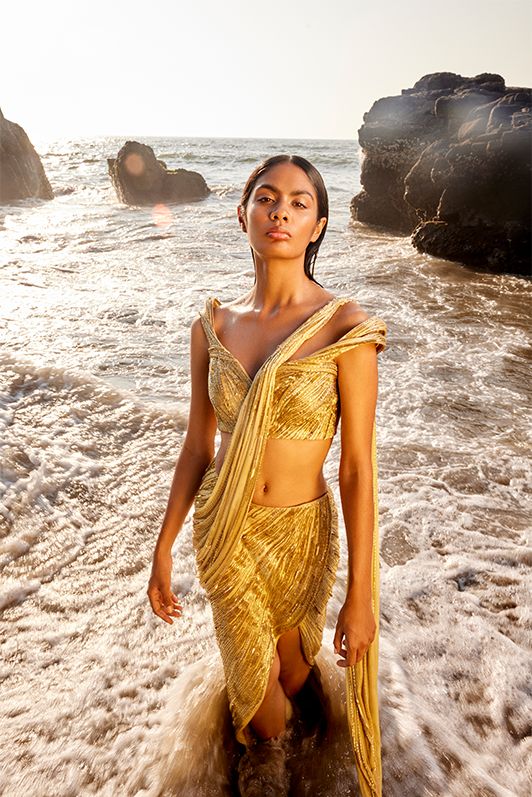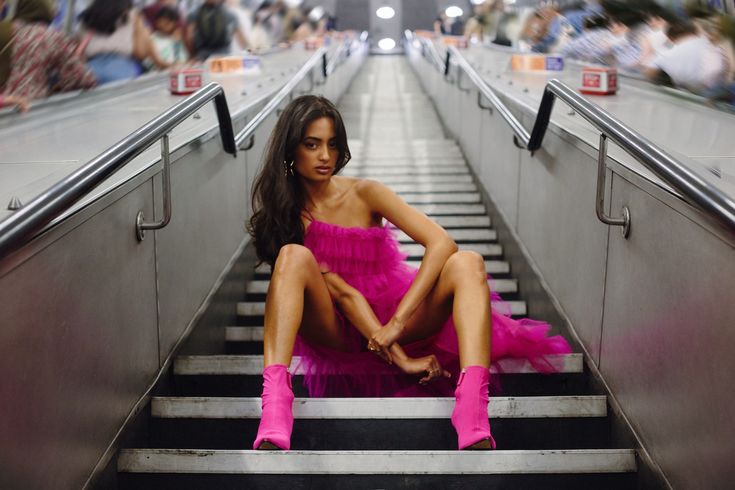

You might not recognize her name just yet… but chances are, you’ve probably seen her on one of your favorite shows.
From the gothic halls of Netflix’s Wednesday to the dystopian world of Apple TV+’s Silo, and most recently the raw realism of We Might Regret This and Wreck, Georgia Goodman has steadily built a presence across film, television, and theatre. Add to that roles in blockbuster films like Uncharted, and she is everywhere — but who really is Georgia Goodman beyond the screen?
ELETOM sits down with the actor to talk about her journey as an artist on the rise.
A SHIFTING LANDSCAPE (Belonging)
Georgia’s journey into acting didn’t begin with a grand vision or a lifelong dream. It began as a growing curiosity — a sense of wonder sparked in high school when 21 Jump Street (starring Johnny Depp) was filmed nearby, followed by encounters with the MacGyver TV series shooting just a few blocks away.
“It seemed so glamorous to me and so much fun,” she recalls. “I started off volunteering backstage at school plays and then went on as a background extra as a part-time job.”
Over time, this hobby planted the seed that would lead her to pursue a full-time career in the creative arts. “Being artsy came naturally, and the acting was just another facet of this creative journey,” she adds.

Today, Georgia exists across various platforms: blockbuster films, prestige television, indie cinema, and stage work. Asked to sum up that experience in three words, she describes it as: “Grateful. Growth. Frustration.”
Gratitude for the breadth of opportunity. Growth through each role, collaboration, and lesson learned the hard way. And the frustration? It’s the kind that arrives only after you understand how things actually work.
“Once you’re on the inside,” she says, “you can see how the industry works — and the inequities within it.”
Georgia describes her current chapter as “wobbly,” particularly with the rise of content creators and viral vertical dramas. “Shows are being watched on mobile devices; TV and cinema projects seem to be dying, which is sad,” she adds. She believes the COVID pandemic marked a turning point, shifting audiences toward on-demand screens and away from cinemas.
Though the convenience stuck, she says something was lost. “There’s nothing like sharing a viewing experience at the cinema, in a room full of people who are just as excited as you are to discover the film in real time.”
Even as she highlights the beauty of anticipation in a series or film, Georgia moves with intention despite uncertainty.
Screen work has taught her the most — not only about craft, but about self-preservation and resistance.
“I’m stronger today than I was a year ago,” she says. She is on her way to becoming.
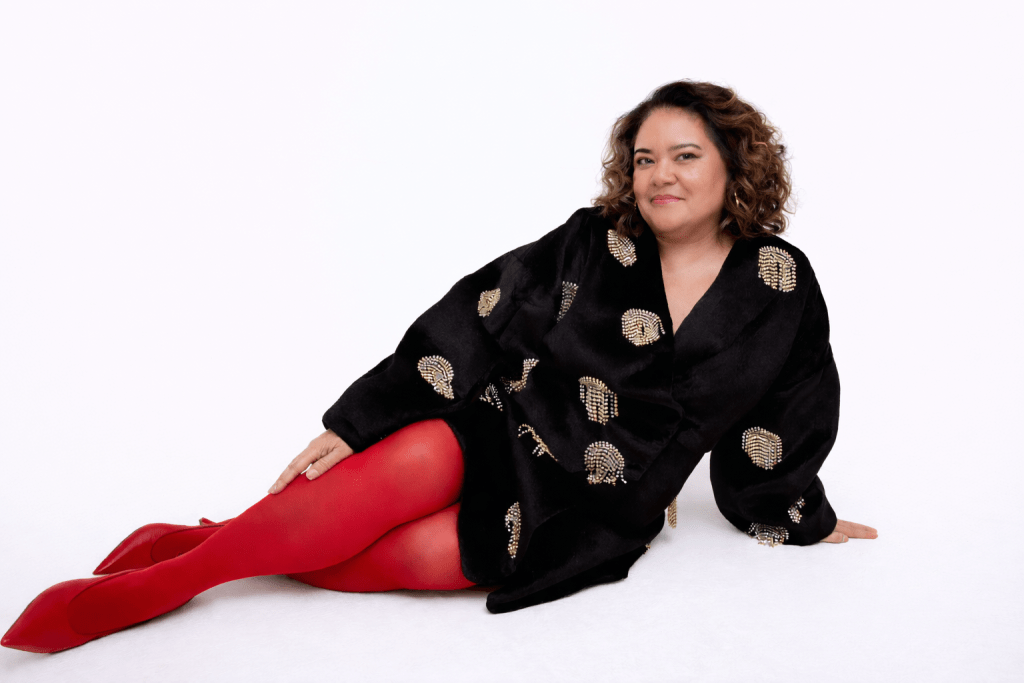
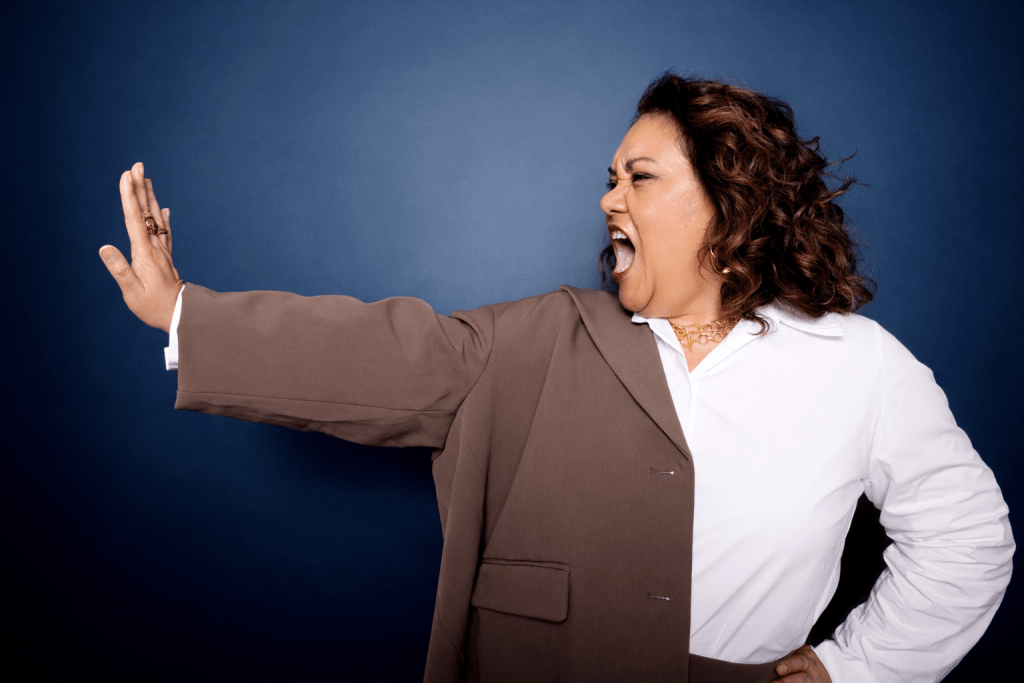
MORE OF GEORGIA G. IN 2026 (Becoming)
“I don’t think I’m there yet,” Georgia says, reflecting on her career trajectory.
As she looks ahead to 2026, she finds herself drawn to projects with international scope and complex storytelling. She’s currently watching The Night Manager alongside a range of Korean series, including Squid Game. She’s also eager to step into “a role rooted in intelligence and technical skill,” pointing to Sally Price-Jones as a character aligned with her evolving wheelhouse.
“Create your own project and own it, as Ryan Coogler did with Sinners,” she says. “It’s the best way to tell your story. Don’t rely on someone else to do it.”
Another aspiration feels closer to character than genre. “I’d love to be a Donna,” she says, referencing FROM. “Someone who is the beating heart of a community. A protector. A constant. A character who evolves across seasons — like many of the characters in The Walking Dead.”
As she becomes more in demand, Georgia believes humility remains essential. “It can be too easy to believe you’ve made it when everything is done and provided for you as a talent on a project,” she reflects.
ON PROJECTS: A Preview of Georgia in 2026
This year began on a high note with the premiere of Good Luck, Have Fun, Don’t Die, a dark sci-fi film that explores how humor can be weaponized to warn us about our growing dependence on AI. She also returns for a second season of We Might Regret This, which deepens its exploration of love, intimacy, and autonomy through the lens of an other-abled artist living in London.
One of her most meaningful projects to date is Frank & Louis, a quietly devastating meditation on Alzheimer’s, redemption, and love set within the stark confines of a prison.
“I agreed to take on the role because of the storyline around Alzheimer’s — my mother suffers from it, and I couldn’t turn away,” Georgia says. “As the intake officer, I saw my character as offering some humanity to the lead character before he went to prison.”
“I can only hope that the roles coming my way get better and better, and that they go beyond stereotypes,” she adds. Georgia continues to choose stories that sit at the intersection of relevance and heart.
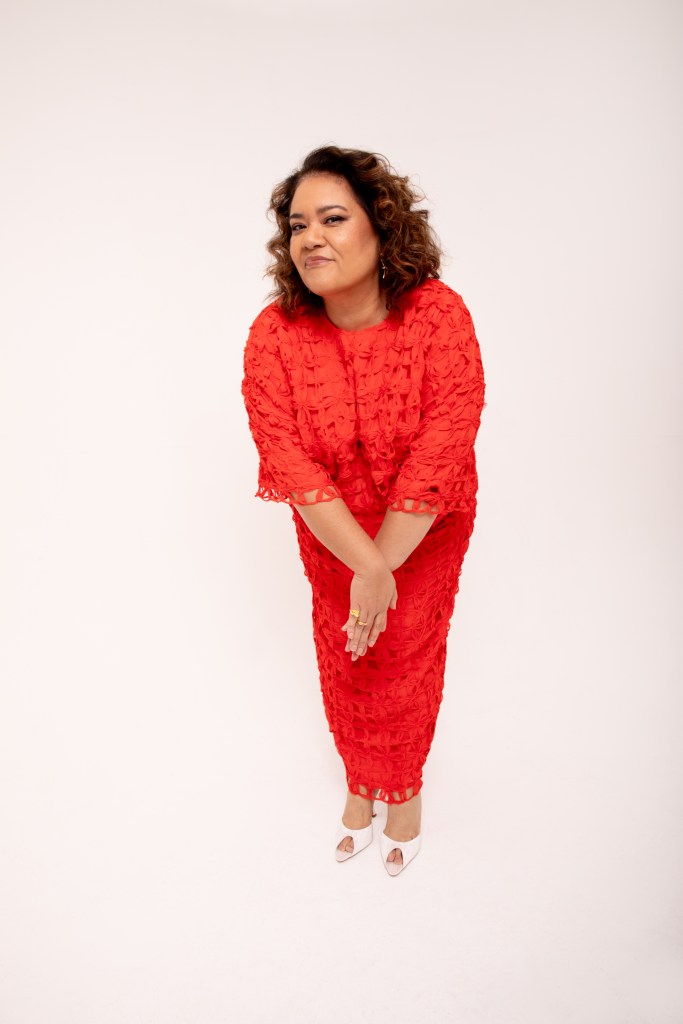
INTERTWINING ROOTS & CULTURES (Breaking Stereotypes)
Georgia grew up at the intersection of Vietnamese heritage, African royal lineage, and a European upbringing — a foundation that shaped her worldview long before it shaped her career. For her, difference was never experienced as division.
“I thought I was the same as everyone else,” she says. “I was taught to treat the person in front of me just as I would anyone else, regardless of class or culture.”
Her mother’s influence looms large. A Buddhist. A humanitarian. A woman who never used privilege as a shield. “She always showed us how to be kind and help the next person — how to always be humble.”
Yet that humility came at a cost. “For a long time,” Georgia admits, “I felt that I had to apologize for taking up space and using my voice.”
It was something she felt compelled to soften, shrink, or explain away. “It’s taken me a while to realize that I can still be a kind person and own my achievements without the need for apology.” From that realization came the ability to stand her ground — with kindness.
Her advice to people of color in the industry? “Don’t take things too personally.”
“You will inevitably come across stereotypes written for you. It’s not personal — it’s just a little bit of ignorance.”
She explains that these portrayals are often shaped by who is writing, the country a project is made for, and that culture’s understanding of people of color. The result is work that reflects the system’s limitations more than the performer’s potential.
Still, Georgia doesn’t believe change comes from opting out. “The best way to change things is from the inside.” If a role has real potential, she encourages taking it — not as acceptance of a stereotype, but as access.
“Take the role if it has good legs, and once on the inside, quietly show them an alternative character — someone beyond a stereotype. Build the character fully, and the industry will see what you can bring and adapt,” she says.
Georgia isn’t chasing the industry. Each role is rooted in intention and self-definition. She knows when to step forward.
Because in a world obsessed with visibility, Georgia Goodman is learning how to stay — owning her craft, honoring her culture, and claiming her name.
For more on Georgia, check her out in Good Luck, Have Fun, Don’t Die which will be in cinemas from February 13 onwards.
Image Credits: Stylist – Prue Fisher | Hair & Make Up –Alexis Day | Hair & Make Up Assist – Sneha