
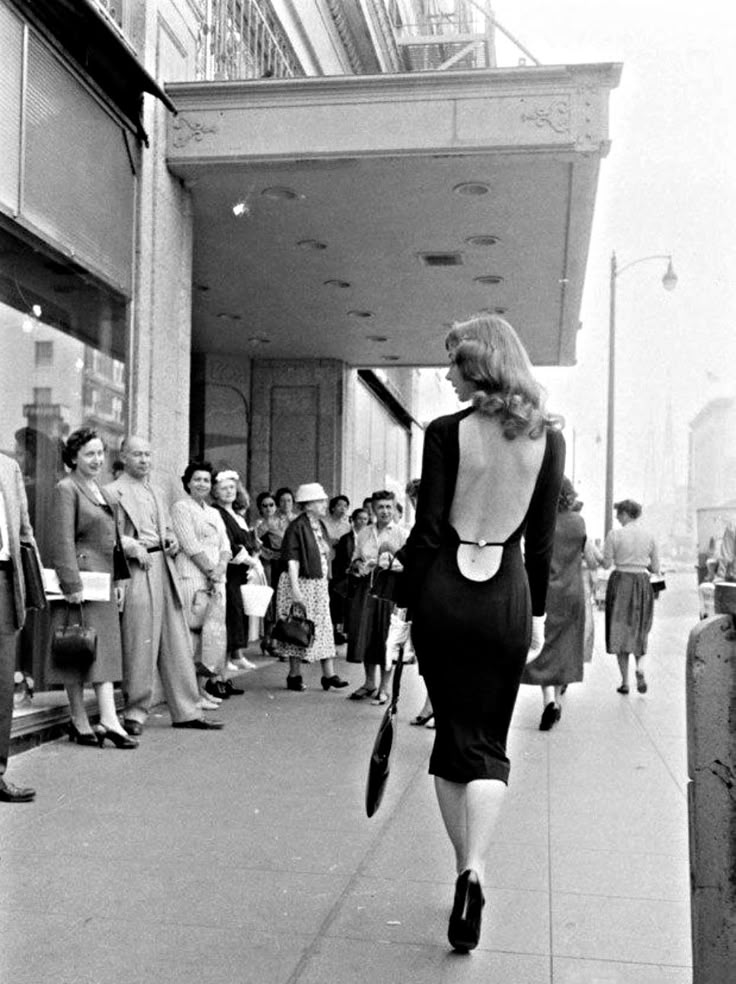
You walk into a room. You haven’t said a word. But in less than seven seconds, the people in that room have already made up their minds about you.
That’s the psychology of first impressions—and fashion is one of its fastest triggers.
Before a handshake, eye contact, and speaking for yourself, your clothes speak first. And let’s be honest, they speak loudly. The colors, shapes, fabrics, and silhouettes we wear become our body’s first language in a room. But what’s more interesting is that what we wear doesn’t just affect how others perceive us. It shifts how we perceive ourselves.
Fashion as a Social Tool

One of the first moments I felt the full weight—and power—of this was during my first attendance at New York Fashion Week.
It was February. Cold. Buzzing with creative energy. I was nervous but proud—ready to step into a space I had dreamed about for years. I chose a bold red suit, single-breasted with black buttons, paired with a black turtleneck and black boots. I didn’t pick it to impress. I picked it because it felt like me—confident, artsy, and unapologetically present.
At that moment, I wasn’t just dressed. I was claiming space, saying: I belong here. And the incredible part? I started to believe it. I stood taller, spoke with more clarity, and saw myself differently.
That’s not vanity. That’s psychology.
The Science Behind It: What We See—and Feel
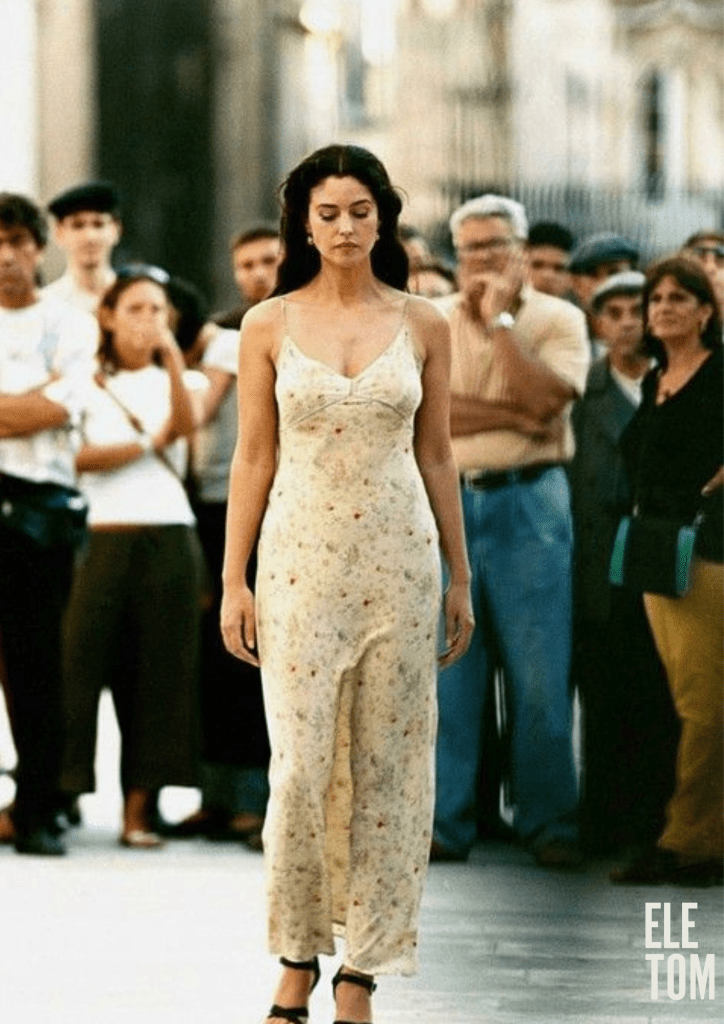
When we see someone, our brain rapidly processes visual information and begins forming narratives: Are they confident? Approachable? In control? Like me?
Neuroscience shows that the amygdala, the part of the brain responsible for emotions and threat detection, is activated during these rapid judgments. Visual cues like facial expression, posture, and clothing are processed through deeply ingrained social and cultural schemas.
But here’s where it gets even more fascinating: What we wear not only influences how others see us, but it shapes how we see ourselves.
In 2012, researchers Hajo Adam and Adam Galinsky coined the term “enclothed cognition.” In their study, participants who wore a white lab coat they believed belonged to a doctor performed significantly better on tasks requiring attention and focus than those who wore the same coat, but were told it was a painter’s smock.
It wasn’t the garment—it was the meaning assigned to it.
Why Dressing with Intention Changes Everything
There’s a difference between getting dressed and being seen. The outfits we choose—consciously or unconsciously—tell a story. And that story can either shrink us, hide us, or let us take up space we’ve always belonged to.
Dressing with intention isn’t about chasing perfection. It’s about alignment—between who you are on the inside and how you move through the world. Clothing becomes a bridge between the internal and the external. It’s not just fabric—it’s functioning as emotional regulation, identity reinforcement, and self-communication.

There’s science behind this. Research in psychology shows that clothing can significantly influence mood, confidence, and even behavioral outcomes. A 2012 study by Adam and Galinsky introduced the concept of enclothed cognition, which suggests that the symbolic meaning we attach to clothes—combined with physically wearing them—can impact how we think, feel, and perform. When participants wore what they believed was a doctor’s coat, they exhibited greater attention and focus than those who believed the same coat belonged to a painter. It wasn’t the coat—it was what it represented.
And I know what clothing can represent because I’ve lived it.
A few years ago, I was in New York—just visiting then—and found the coat. Structured. Bold. Empowering. It felt like a future version of myself reaching back to say, You’re already her—claim it. But in that moment, I didn’t.
I heard my then-partner’s voice echo in my head:
“Are you really going to wear that?”
I left the store, leaving the coat behind.
But the idea of having that coat lingered in my mind—not just because it was beautiful but because I had abandoned a version of myself I was ready to grow into. I went home, cried, and ended the relationship.
And the next day—I went back and bought the coat.
That wasn’t just a shopping decision. It was a self-affirming act. It was a turning point, a moment of emotional clarity dressed in wool and power seams.
From that day forward, I promised myself that I would never let my wardrobe become a mirror of someone else’s doubts. It would be a reflection of my resilience. Of who I am becoming.
What Your Clothes Are Saying Before You Speak
When we dress with intention, we’re not performing—we’re aligning. We’re creating a visual and emotional coherence between who we are and how we show up.
So I invite you to reflect:
What outfit makes you feel the most like yourself?
Are you dressing for your present self—or a past version you’ve already outgrown?
If your clothing could talk, what would it say about your values, energy, and readiness?
Because the truth is: that we don’t just dress to be seen—we dress to allow ourselves to be.
Coming Next Month:
The Emotional Impact of Color – how the shades we choose help us feel, remember, and reclaim ourselves.
Until then, let your wardrobe reflect who you are— and who you’re becoming.
Because personal style isn’t just self-expression—it’s self-connection.