

Historically, Spain has immensely influenced Filipino cuisine and culture due to its time as part of the Spanish Empire. In fact, the Philippines was the only Southeast Asian stronghold that existed beyond the borders of Latin America, making Filipinos and Latin Americans cultural primos (cousins) due to their shared ties with Spain.
Despite the intricate interplay of nationalism and culture, the Spanish culinary diaspora thrives in the Philippines. Dishes like empanadas, paella valenciana, menudo, and leche flan, originally from Spain, have seamlessly integrated into Filipino cuisine. This culinary fusion is a testament to the shared history between Spain and the Philippines.
Of course, modern-day Spaniards who have made the Philippines their second home will always miss the taste of their mother’s home cooking, much like how Filipinos always say that their mother’s version of a classic dish is the best. Over the years, Spanish restaurants have opened, but finding a well-made Gambas Pil Pil in the city can be tricky. It always comes down to ingredients, but surprisingly enough, some places were able to capture that elusive feeling—and that’s where I was headed.

On a fine, windy day in Manila, I made my way to Sala Martinez, located in the new wing of The Shangri-La Plaza Mall. There, I had the chance to meet the face behind the Nikkei Group’s star restaurants: Siargao Island’s Alma, Terraza Martinez, and, most recently, Le Cou Cou Bistro. All are helmed by veterinarian-turned-chef Luis Martinez, who hails from the sun-soaked region of Valencia, Spain.
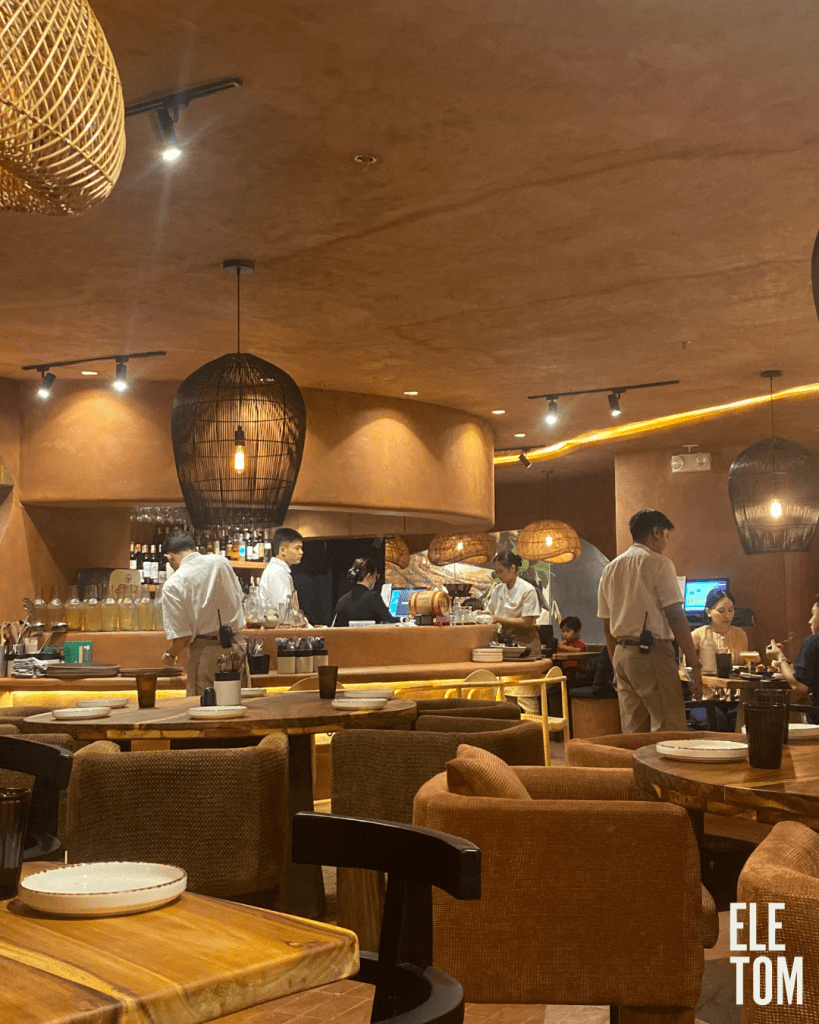
Stepping into the restaurant, I was immediately struck by the warm and inviting ambiance. The terracotta orange façade, starkly contrasting to the dark wooden colours utilized, felt like a welcoming embrace into the sala of someone’s home ( sala is a Spanish word for living room or reception hall). The cave-like setup, reminiscent of Andalusian cave houses, and the charming abaca lamps added to the homely feel, making it a perfect spot to relax with friends.
Looking at the menu, I noticed some dishes from Terraza Martinez, but I was recommended to try dishes that represented Sala Martinez’s three takes on Spanish culinary fare: great-quality ingredients, nourishing flavors, and authenticity.
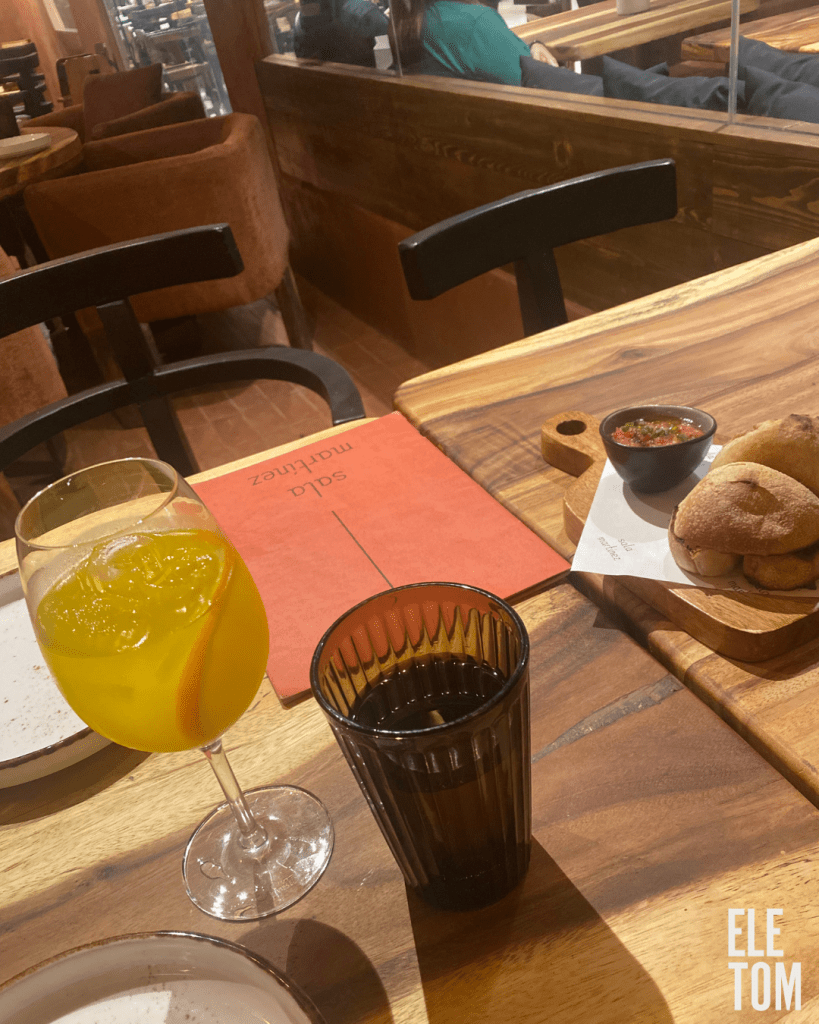
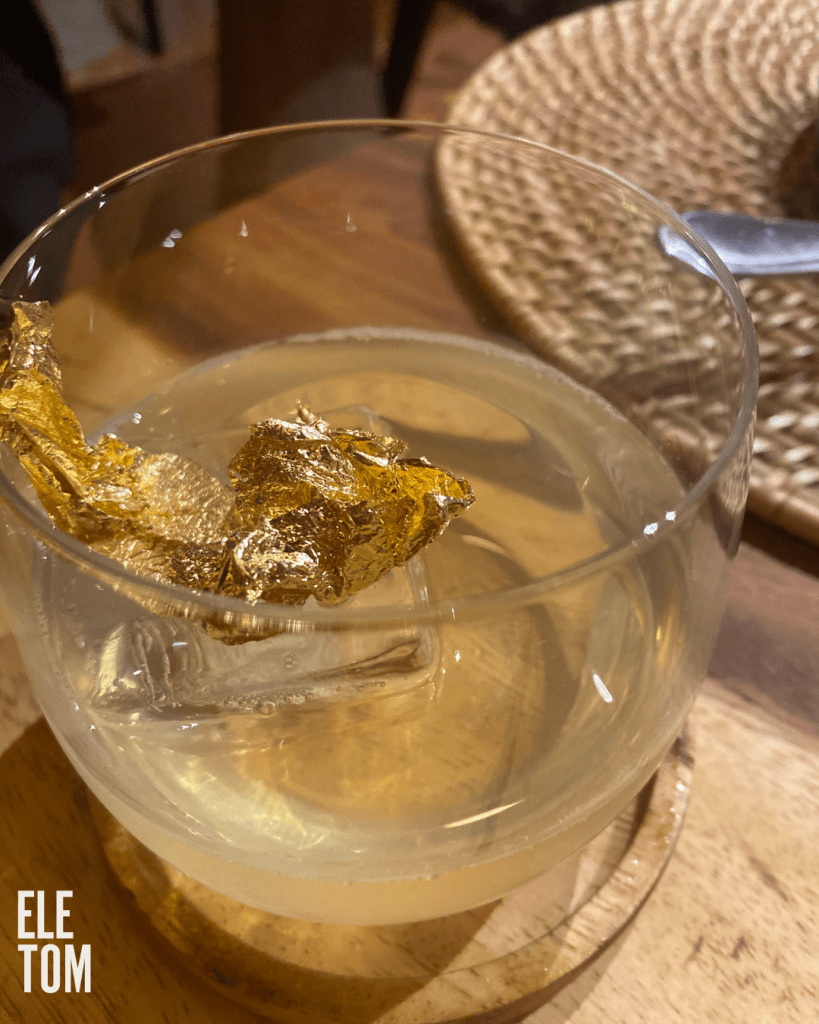
After ordering an Agua de Valencia—a Spanish cocktail that tastes like a cross between a mimosa and sangria—Luis made his way to my table. We greeted each other warmly, and I mustered up the courage to speak in the conversational Spanish I had learned so far, which pleasantly surprised him.
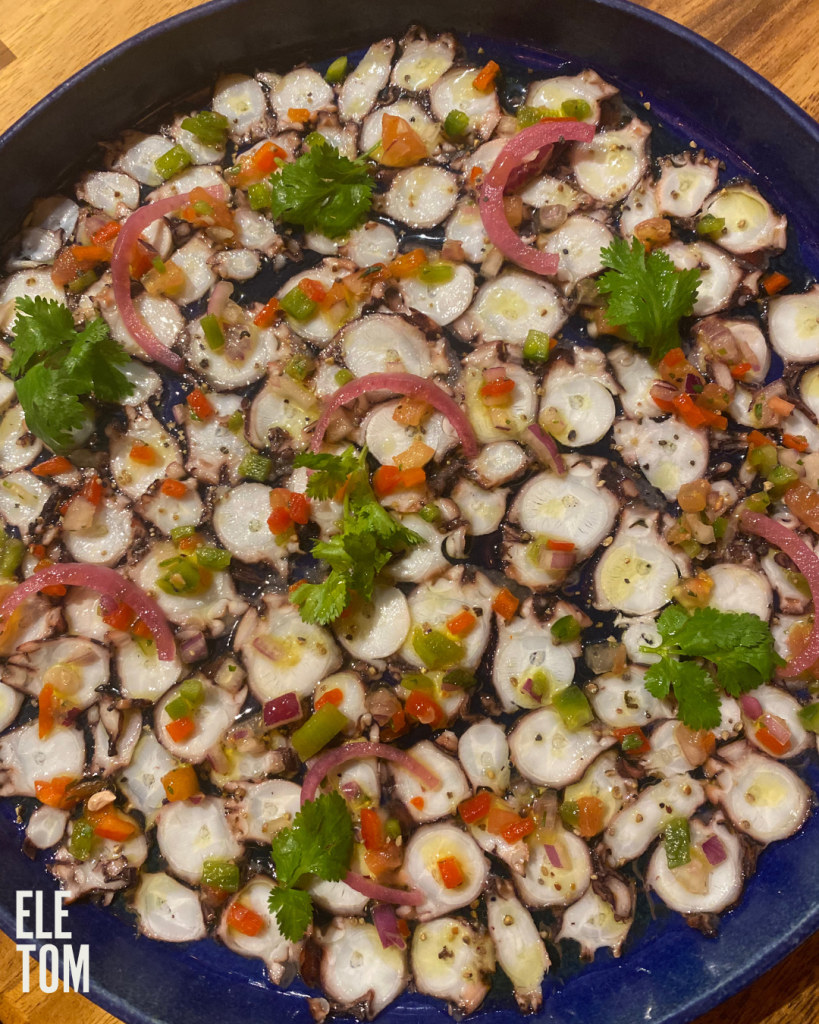
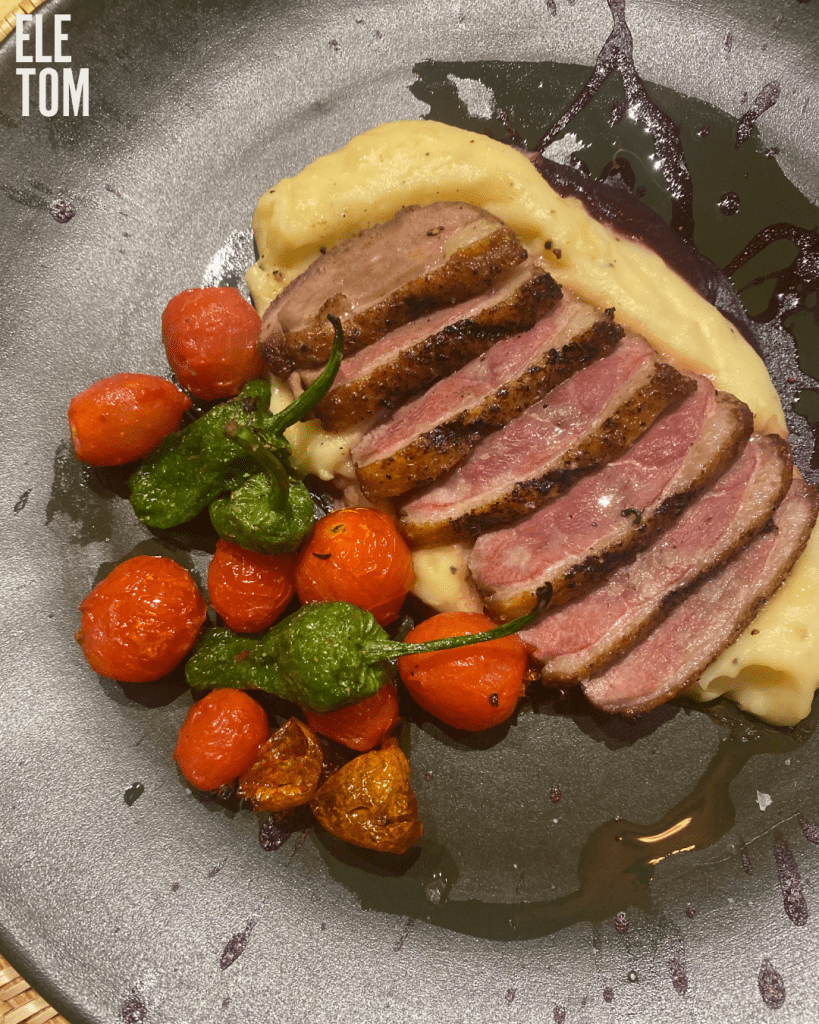
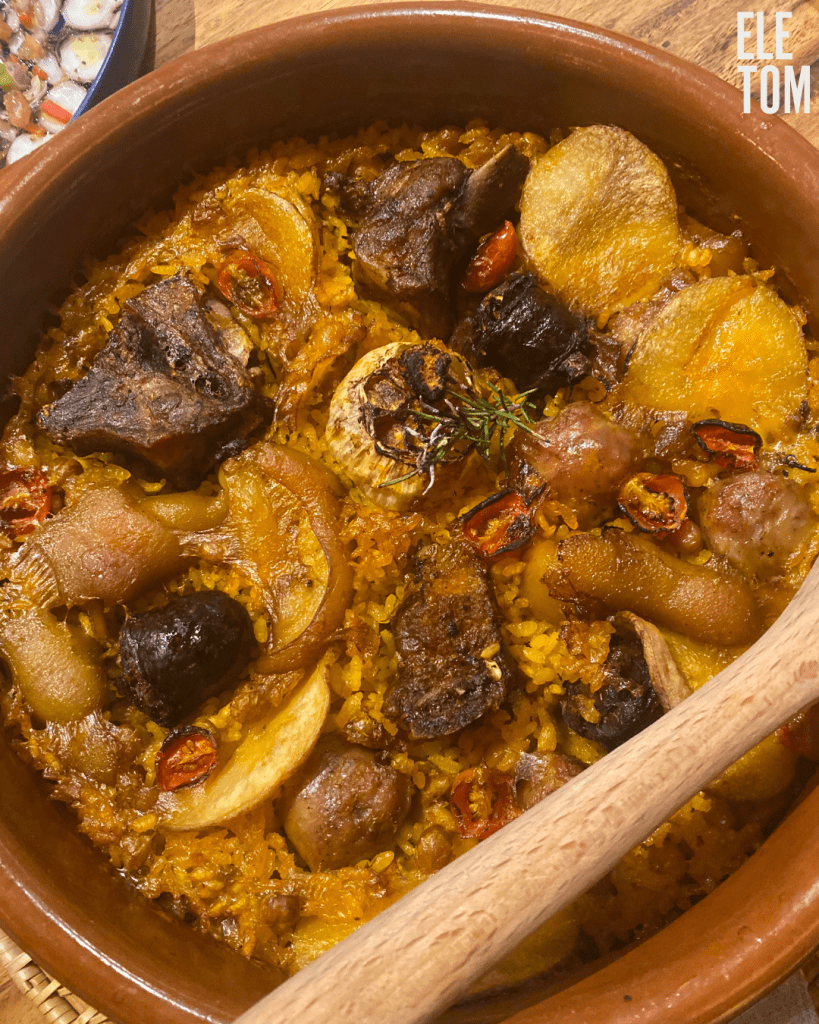
The first dish, accompanied by pan con tomate, arrived: an octopus carpaccio that looked like a piece of art, with fresh herbs, olive oil, and pepperoncini strategically placed. It was almost too pretty to eat—but that thought didn’t last long. As we settled in, servers promptly brought several other dishes, such as huevos rotos con jamón ibérico, arroz al horno, and magret de pato, all of which were incredible.
Between sips and bites, Luis and I began our conversation about what brought him to the Philippines, particularly Siargao Island. He opened up about his journey: “I never studied culinary arts. I moved to the Philippines eight years ago with the idea of building a hotel in Siargao. It took me two and a half years to complete, but just as we were about to open, COVID hit. I ran out of funds and was unable to launch the hotel.”
The restaurant that was supposed to serve hotel guests became his first standalone restaurant, Alma, which Luis opened in the middle of the pandemic in Siargao. That was his first time working in a kitchen. Something that he has never done before, Growing up, Luis’s family cooked together as a communal activity, especially during special occasions. In Spain, food isn’t just about eating; it’s about spending time with family and friends—a cultural trait that Filipinos also share with their families.
“My culinary journey is deeply rooted in my family’s traditions,” Luis shared. “Most of the recipes from Alma and Terraza are inspired by my parents, with my paella being a direct interpretation of my mother’s recipe. Every Sunday at home was paella day—it was a tradition we all cherished.” This personal connection to the dishes adds a layer of nostalgia and familiarity to the dining experience.
His journey as a chef wasn’t the most straightforward path to the culinary arts. His father encouraged him to pursue a stable career, Luis recalled: “As a teenager, my friends would go on vacations, and I would ask my father if I could join them. He always responded, ‘If you want to go, you must earn your own money.’ So, I started selling paella on weekends in my hometown. That was my first step into the culinary world.” This yearning to share his passion for great food propelled him forward, eventually leading him to partner with the Nikkei Food Group.
“I wasn’t ready for it then, but I prepared to open a new branch—Terraza Martinez. It was my biggest restaurant project yet, and I was nervous because it was my first time managing a large-scale kitchen serving high food volumes. Fortunately, it turned out to be a success.”
As a self-taught chef, Luis always wanted to further his knowledge of the culinary arts. Now, he is taking it a step further by formally studying while managing a growing restaurant portfolio. When asked how he balances these roles, Luis smiled and said, “I love challenging myself and pushing my limits. Managing a restaurant is completely different from running a kitchen. I made a lot of mistakes with my first restaurant in Siargao—I lost a lot of money, but I learned valuable lessons.”
“When I opened Terraza Martinez, I applied everything I had learned. I’m also lucky to have great business partners who are teaching me how to manage a restaurant properly. In the kitchen, every day is a learning experience. I make mistakes, but I always take them as opportunities to grow.”
Luis’s core philosophy as a chef is rooted in highlighting the natural flavors of ingredients—keeping it simple yet delicious while drawing inspiration from many chefs. Pointing to the octopus carpaccio, he said, “With this dish, for example, I want you to taste the octopus, not an overload of other ingredients. I treat ingredients with the utmost respect, ensuring they are stored and prepared correctly, and that’s my top priority.”
Sustainability also plays a key role in Luis’s approach. At Terraza Martinez, he uses often-overlooked ingredients, like pig’s feet, which many restaurants discard. He creates stocks and broths from bones and scraps that would otherwise go to waste. At Siargao and Alma, he sources ingredients as locally as possible, aiming for near-zero food miles. “I also personally visit suppliers to ensure their practices align with our values—I need to know where our food comes from and how it is handled,” he said.
As we wrapped up our conversation, I asked if he found it easy to balance Spanish and Filipino flavors. “It’s quite easy because Filipino and Spanish palates are very similar. In many ways, Filipino flavors remind me of my grandmother’s cooking. There is a shared love for rich, comforting, and flavorful dishes. That connection makes it natural to bring Spanish cuisine here while keeping it authentic.”
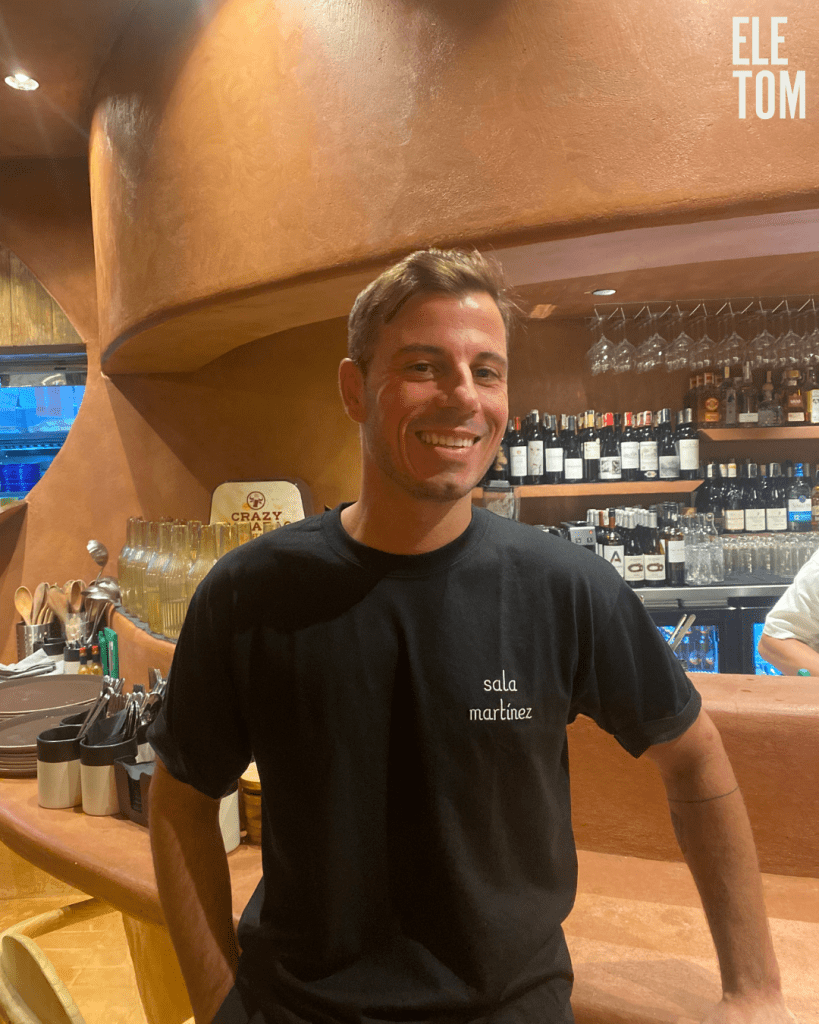
As I savored the last bites of my meal and we concluded our chat, what struck me about Chef Luis Martinez was how seamlessly he wove his Spanish roots into Manila’s dynamic dining scene. His journey—from a veterinarian in Spain to an aspiring hotelier in Siargao, and now a self-taught chef leading some of the city’s most exciting Spanish restaurants—demonstrates his resilience, passion, and unwavering dedication to his craft.
A meal at Sala Martinez is more than a culinary experience; it offers a glimpse into warm Spanish hospitality, with each dish telling a story of heritage and tradition while celebrating the joy of sharing a meal with loved ones. In a city where remnants of Spanish influence remain, Chef Luis has created a space that feels both familiar and new while giving the taste of a Spanish home’s table right in the heart of Manila.