

As we navigate the many interconnecting complexities tied to the Philippines and its diverse history, one can’t help but wonder how its perspective in the realm of the arts has shifted with the effect of globalization and the pandemic. Still, these socioeconomic issues have paved the way for specific platforms to rise to the occasion and break barriers within the art world. One of these is Art House.
Founded by entrepreneur and art collector Carlo Pineda, Art House’s mission is to curate art in a manner that is accessible to the public and to create an unforgettable mark on those who are ready to dive into the world of art.
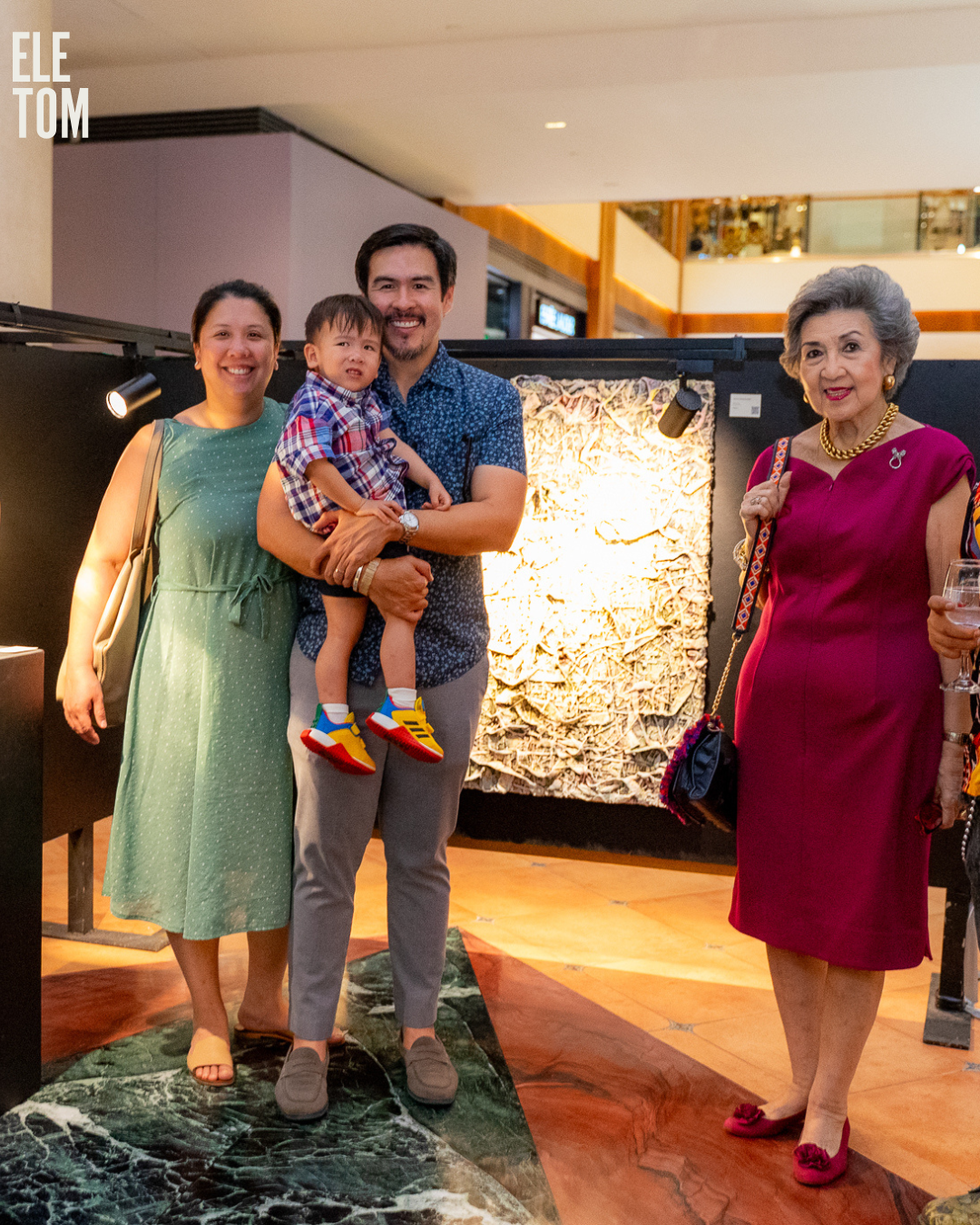
Throughout his youth, Carlo learned about Filipino art, sustainability, and heritage through his parents, Jesus and Maritess Pineda, who are well-known around Manila’s social circles as art collectors and advocates for Philippine craftsmanship. Conversing over tea and coffee at the top floor of a hotel in one of Manila’s busiest districts, Carlo graciously started the conversation about his beginnings.
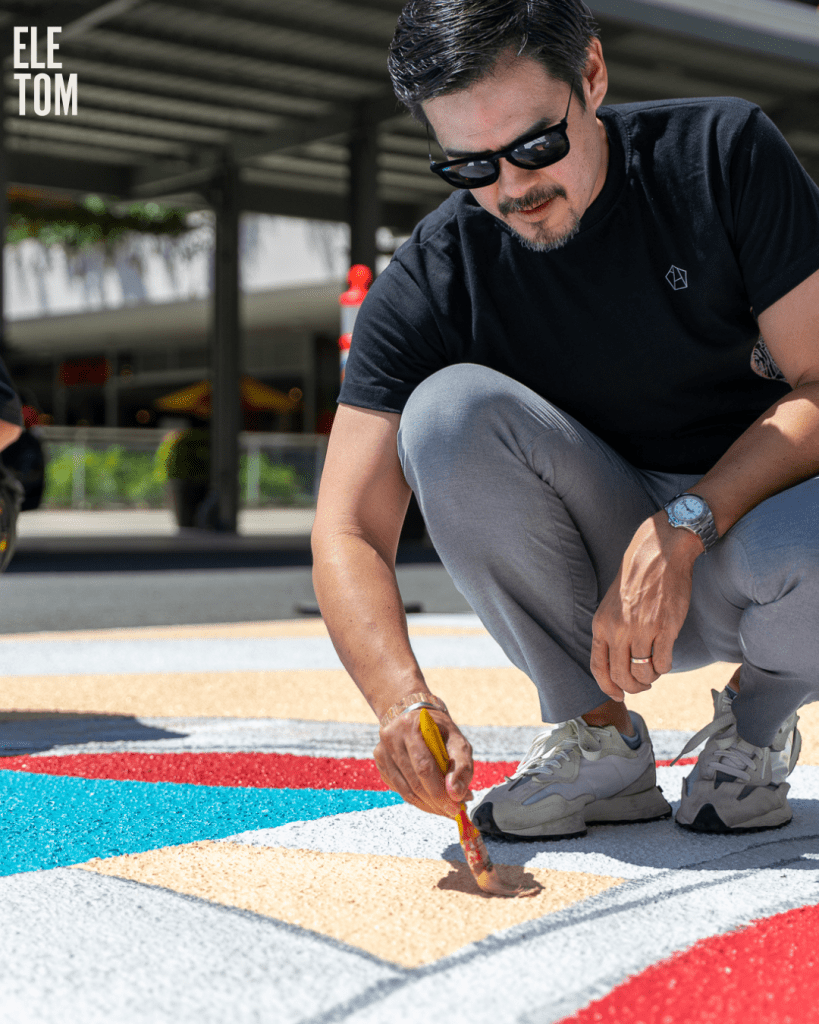
For Carlo, collecting art was a family affair. Starting his collection at 18, he fondly recalled how everything began: “My exposure to the arts gave me an eye for it. Every artist I’ve collected since I started has given me great returns.” Carlo shares, “That’s part of why Art House focuses on public and sustainable art—every Filipino should have cultural access. Developers and properties should support this as it benefits everyone.”
This idea, while disruptive, offers hope for emerging artists and collectors to join an enclave that was previously limited to the moneyed and influential. For a long time, art has been perceived as a status symbol and considered a territory dominated by society’s worldly impresarios and collectors.
“Honestly, it wasn’t until the pandemic. It was frustrating to see how exclusive the art market had become. Many collectors would complain about how difficult it was to access certain pieces. I wanted to democratize art—make it visible and accessible to everyone, especially emerging collectors.”
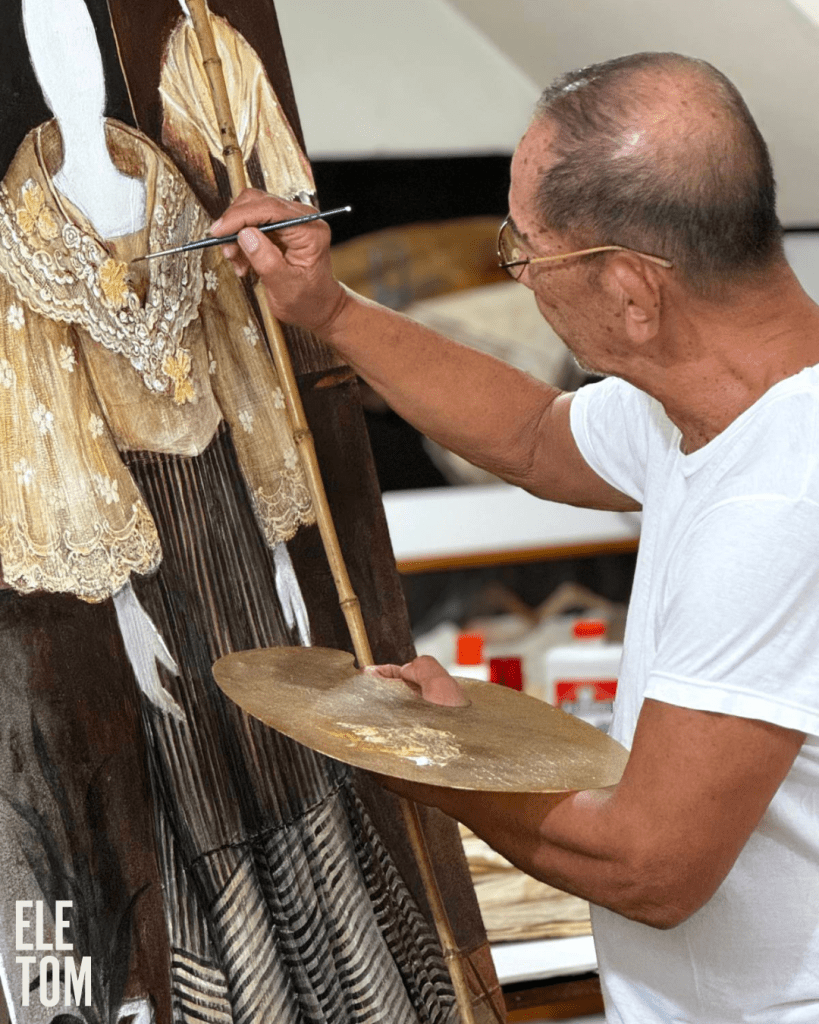
This system dates back to the Renaissance when painters sought patrons by networking with wealthy individuals to fund or commission their work. Artists like Holbein, Da Vinci, Caravaggio, and Vermeer relied heavily on this model, which the industry has followed.
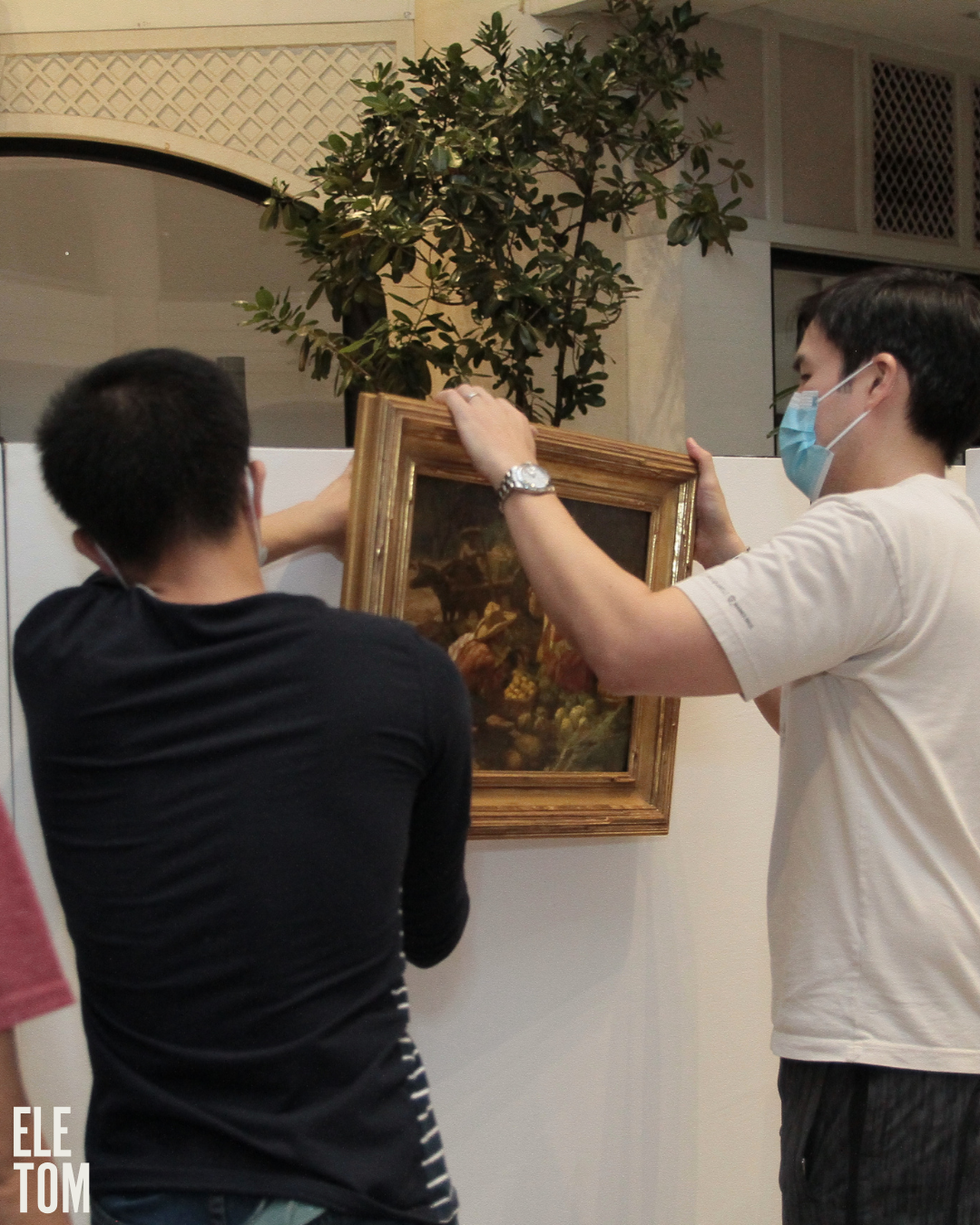
While that may be the case, Art House offers another alternative within the ecosystem by fostering a collaborative community that opens doors for Filipino artists from diverse backgrounds. He further emphasizes how they seek to represent the best of the country’s culture in the arts: “Honestly, as cliché as it sounds right now, it’s true—we have talent across various industries, disciplines, and creative aspects. This has been recognized globally, especially in areas like hospitality, technical skills, performance arts, and entertainment.”
What Sets Art House Apart For Those Who are Asking?
Carlo clarifies that the essence of what they do transcends the concept behind galleries. “We often get asked, “Are you an academy? “but it’s more than that.” He explains that Art House serves as multi-channel platform that creates exhibitions around specific themes while making a transparent and direct connection between artist and patron, removing the intermediaries and at the same time, cultivating a hive of creativity between emerging and established names in the industry.
“We’ve opened it up because we believe in building mutual respect within the industry. If an artist or patron values this transparent approach, they’ll stay. If not, they are free to leave since the culture we’re developing relies on unity and shared respect.”

Looking back at previous exhibitions such as Elemento by Leeroy New, Alab, and Hulma shows how much Art House values merging tradition with innovation. Each series with Art House seeks to create conversations that resonate with people from all walks of life, highlighting the importance of accessibility and cultural connection. Carlo encourages collaborations between senior and emerging artists, often resulting in transformative experiences, with seasoned professionals even rediscovering their passion through each process.

The result of this partnership is evident in Terno, a fashion retrospective that focused on the versatility of heritage fabrics and mixed media. Carlo collaborated with artists such as Joann Bitangcol to reinterpret each design, making it a tribute to his mother, who, from the very start, has been a stalwart supporter of her son’s endeavors.
It further cements Art House’s role as a platform that transforms art as an accessible medium for everyone to enjoy, especially in a country where the mindset towards cultural experiences equates to a certain cost. “Many people ask, ‘Do I have to pay for that?’ We want to change that line of thought and make art available to everyone for free when possible,” Carlo adds.
Addressing The Global Filipino Diaspora Through Art and The Future of Art House
Moving to the present day, Art House is about to launch another exhibition, one that explores the complexities of the global Filipino diaspora, Lakbay: Voyages into the Absolute with Nena Saguil, a multi-artist exhibition that inspires cultural exchange, community engagement, and conversation as it probes into their realities. Lakbay hones in on the work of Saguil, a known Modernist – Abstact artist as the central theme, along with nine established Filipino talents from the UK, US, Switzerland, Belgium, and other parts of the globe who will present their work.
The exhibit comes at a time when we are trying to understand the identity of the Filipino people, which is a halo-halo ( mix-mix) of sorts between Eastern and Western philosophies. It also opens the conversation about understanding our collective struggles in defining what is it like being Filipino, no matter were we grew up, especially given our history as a country that has been colonized multiple times.

According to Carlo, “For second and third-generation diaspora families, there’s often a gap in understanding their roots. This gap stems from historical events, like martial law, that pushed many families to leave. As they mature, they often desire to rediscover their roots.” With this being said, it demonstrates how Art House works as a multi-channel bridge that helps these artists reconnect while supporting emerging local artists. “That’s why we’re contacting international Filipino artists, inviting them to collaborate and reconnect with the Philippines,” he says.
Connecting with these artists brings another level of character to the Filipino identity, and combining that with Art House’s principles on sustainability and cultural awareness for both locals and the international audience who are now getting glimpses of Filipino culture, whether it’s through food, music, or entertainment.
Art House also helps communities recognize that the value of art goes beyond aesthetics. Carlo hopes that one day, this will have a ripple effect in the greater public, making art a necessity. “When something is present in one place, people start wondering, ‘Why isn’t it here too?’ It helps create a comparison that drives demand for more inclusive cultural experiences,” Carlo shares.
In the future, Carlo hopes that Art House will be able to establish more “art points” across the Philippines, by becoming a leader in creating sustainable community art that will last for a lifetime. “We want our growth to be organic, evolving with each community we enter. Filipino art deserves to be seen and we hope to expand beyond just Filipino buyers, engaging new audiences in the US, Europe, and beyond. As it creates its own path in the art world, Art House’s impact is already tangible and looks incredibly bright with two things in mind for the future of Filipino artists: global recognition and appreciation.
To find out more about Art House, follow for more updates on their website www.arthouseph.com and their socials.