

Two weeks ago at the La Casa Del Habano, a collective of wine lovers came together for a brunch-time experience unlike any other. Instead of the usual fare surrounding the hubbub of the early lunch hour, the group was treated to an Israeli wine-tasting class/ high-tea experience with Amphorae and Lotem Winery, Binnun Winery, Teperberg Wines presenting their wines in an intimate setting.
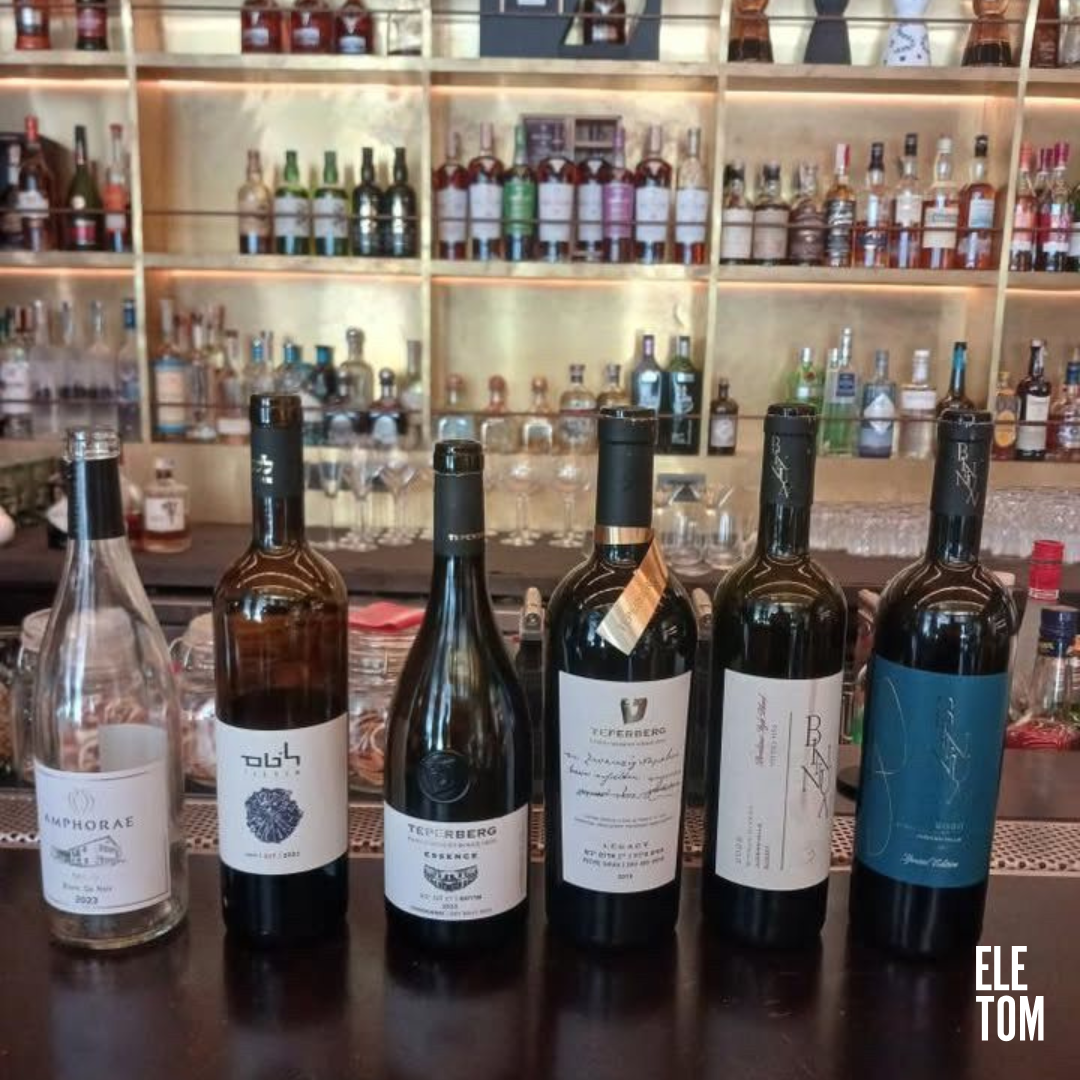
Israeli wines is considerably a breath of fresh air, a newfound discovery for local wine connoisseurs who haven’t been introduced to wines from this part of the world before due to the presence of European, Southern American, and Australian wines that have made their mark in the local market and according to Shani Zetuni, the CEO of Amphorae and Lotem Organic Winery noted that the Israeli wine industry was in a similar position to the Philippines 20 years ago, when wine imports, to this very day, dominate the local market.

To everyone’s chagrin, the price markup would be exorbitantly expensive, even for expats who have come to live here. “Over the last two decades, we’ve come a long way in developing our industry. We looked up to European wines but also carved our own path.”
With Israeli wineries now developing wine ranges from entry-level to premium varieties, the country now has an association of young wineries, except generational family-owned vineyards such as Teperberg Wines and Carmel Winery, founded by Edmond de Rothschild. Israel’s climate, which is somewhat similar to the Philippines, is warm, so some of its wines are suitable for warmer regions. Shani adds, “Chilled wines or lighter reds can be very enjoyable in warm regions. “
On the topic of winemaking, Teperburg Wines’ Global Sales Manager Nir Kutter further emphasizes on the difference between their homegrown vineyards and European counterparts, “Our wines are relatively different because of our climate, however compared to France, which has their cooler regions, our indigenous grapes ripen faster because of the warm weather. He explains that this is good for wine lovers, “this gives the wine a fruitier profile with higher sugar and alcohol levels, in contrast to colder climates result in grapes with more acidity, astringency, and tannins—qualities that allow European wines to age for decades.”

With global wine preferences shifting towards people wanting wines that they can drink now, Israeli wines may be the answer to that growing need. Price-wise, they’re accessible, fruit-forward, and perfect for immediate consumption, which resonates with today’s generation.
On the other hand, promoting Kosher wines courtesy of Edward Gandler of Binnun Winery provided a glimpse into the intersection of tradition, innovation, and how it all comes together in the global market.

What Makes Kosher Wine Different?
Kosher wine adheres to Jewish dietary laws, adding a layer of religious observance to the winemaking process. This doesn’t mean the wines are inherently different in taste or quality—they are crafted to be enjoyed by all wine enthusiasts. Edward explains, “Kosher is like an additional process. All the methods and techniques used to produce non-kosher wine are preserved, but there are two primary ways to certify a wine as kosher.”
The first step in this process involves pasteurization, heating the wine to 90°C to meet kosher requirements. “This method is often favored by large-scale wineries since it is more financially efficient. The second approach ensures that a religious supervisor oversees every step of the production process, from harvest to bottling, to certify its kosher status.” Edward says.

A Shared Culture of Hospitality and The Future of Israeli Wines in the Philippines

In unison, they all agreed that there is an undeniable sense of value between Israel and the Philippines is a love for hosting and creating memorable experiences around food and drink. Israeli winemakers see their products as more than beverages; they are a way to connect people. “Wine is all about company and climate,” Nir reflects. “In Israel, like in the Philippines, we love to host, open a bottle of wine, and enjoy it together.”
From the revival of ancient winemaking techniques from biblical times to the adoption of cutting-edge technology, Israeli wines embody a unique blend of history and innovation. As they continue to introduce their wines to the Philippines, what they offer is not just a drink but an experience that bridges cultures, climates, and traditions. By sharing knowledge and experiences, they aim to foster a deeper appreciation for wine in the Philippines. With a focus on creating approachable, high-quality wines, Israeli wines are poised to play a significant role in shaping the Philippine wine market. “At the end of the day, wine is about the experience. You don’t need to know all the technical details to enjoy it. We make wines that people can enjoy now, with friends and family, because at the end of the day, it’s all about creating those special moments that will last a lifetime.”