
Decades ago, a young Maritess Mendoza, the granddaughter of mid-century Filipino politician Eulogio Rodriguez, was about to celebrate a special milestone that most young women around the world during that time prepared for with much enthusiasm; it was about to be her 18th birthday, an occasion that would announce her presence to society that she is about to enter another stage of her life.
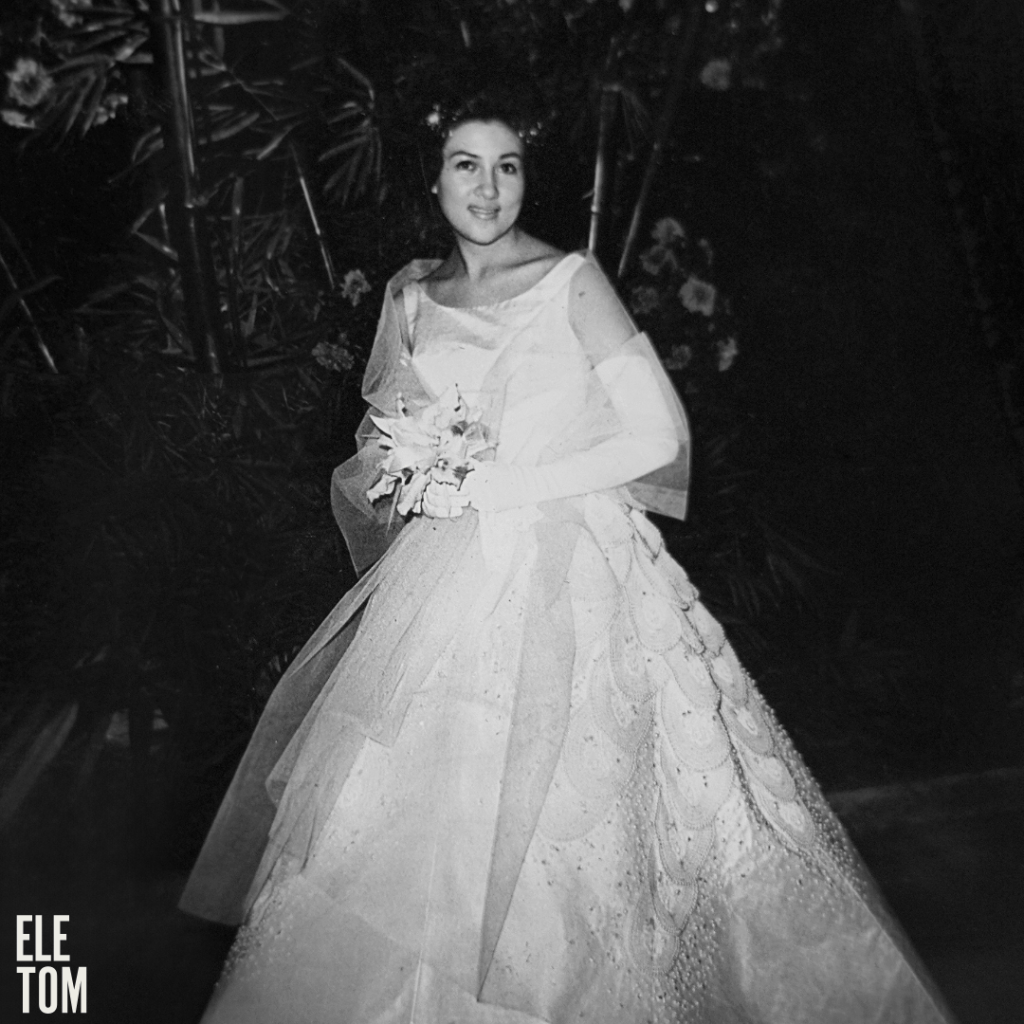
Around that time, women wore modern versions of the Traje de Mestiza ( a contemporary version of the Filipino women’s national costume: the Maria Clara). At the same time, the rise of Christian Dior’s new look, with its nipped waist and voluminous billowy skirt, influenced the younger crowd.

For that particular day, Maritess’s mother opted for her to wear a custom-made terno ( A Filipino-Spanish word that means a three-piece set that is technically used to describe an outfit on the whole ) by Ramon Valera, a Filipino-American designer who was not only a family friend, he was also known for creating innovative couture pieces that blended the elegance of postwar silhouettes with the uniqueness of Filipino design and heritage. Maritess fondly recalls how her mother left it up to Valera to design the ensemble carte blanche, trusting him implicitly to create the ensemble that would favorably mark her daughter’s debut into the upper echelons of Filipino society.
As a result, Maritess wore a stunning ivory high-waisted gown adorned with intricate hand-beaded crystals, seed beads, tiny shells, and pearls. These were carefully stitched together, forming a unique take on a scalloped hem reminiscent of Dior’s iconic Juno dress. It was the perfect piece to wear for an extraordinary milestone, but unbeknownst to the young woman then, this would seed a lifelong passion for championing Filipino art and design.
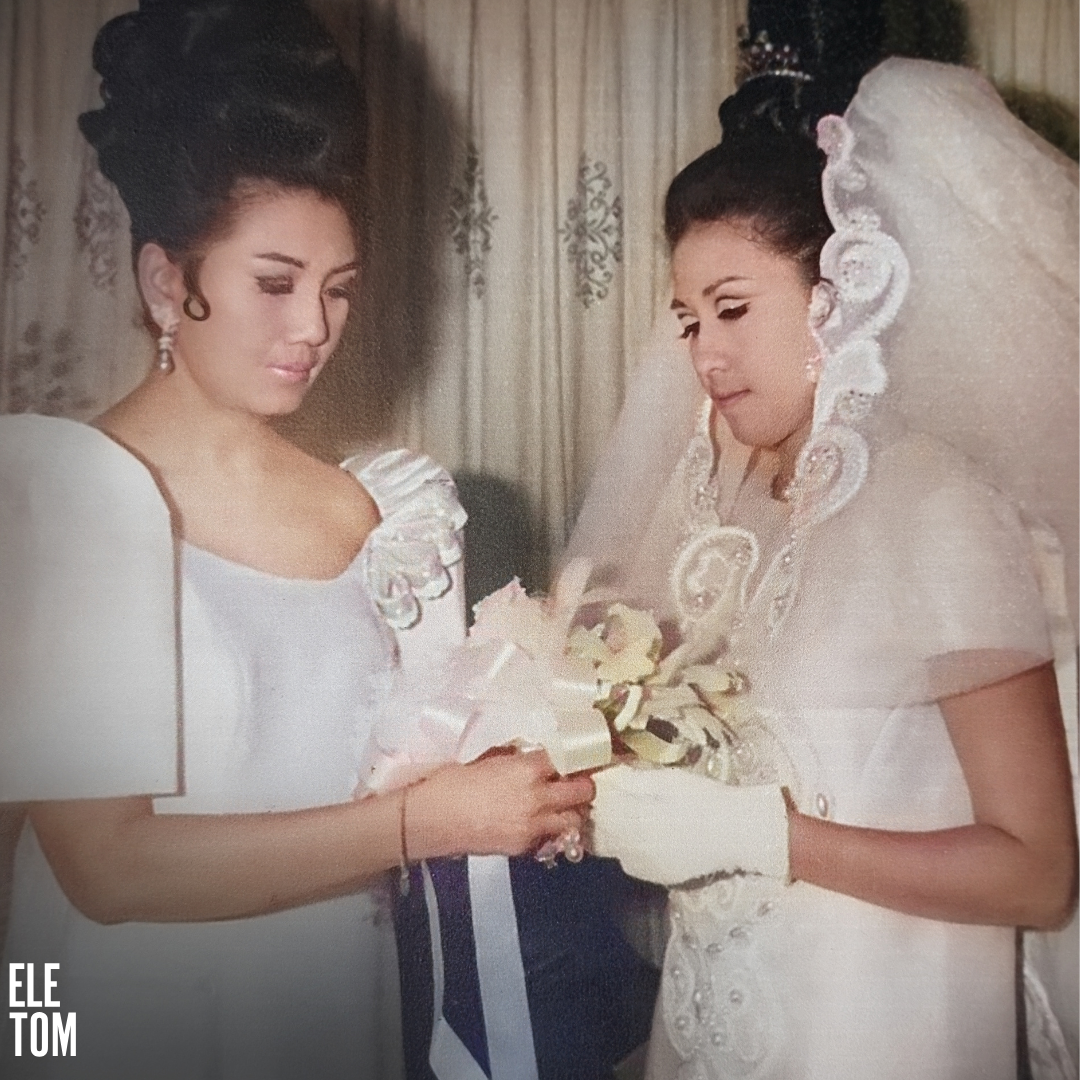
Fast-forward to the present day; at 80 years old, she is as dynamic and driven as ever. Now known as Maritess Mendoza-Pineda, she has become a respected advocate of Filipino craftsmanship and women’s empowerment. She also co-founded ArteFino, an organization celebrating Filipino craftsmanship and sustainable local products.

Her involvement in philanthropy is closely tied to her love for art—a passion that led her to co-found the Friends of Manansala Foundation, which works to preserve the legacy of Filipino National Artist Vicente Manansala through exhibitions and retrospectives.
In addition, Maritess chairs FilipinaZ, a fundraising initiative under the Zonta Rotary Club that highlights Filipino arts, fashion, and jewelry. The proceeds from the charity support causes such as the Psychological Center for Sexually Abused Girls and scholarships for women. FilipinaZ recently celebrated its 10th anniversary with a renewed focus on showcasing local artisans and empowering women across various fields.
Maritess’s work ethic, a defining quality that resonates with her generation, might leave the younger generation of today in awe, wondering how she continues to accomplish so much at this stage in her life.
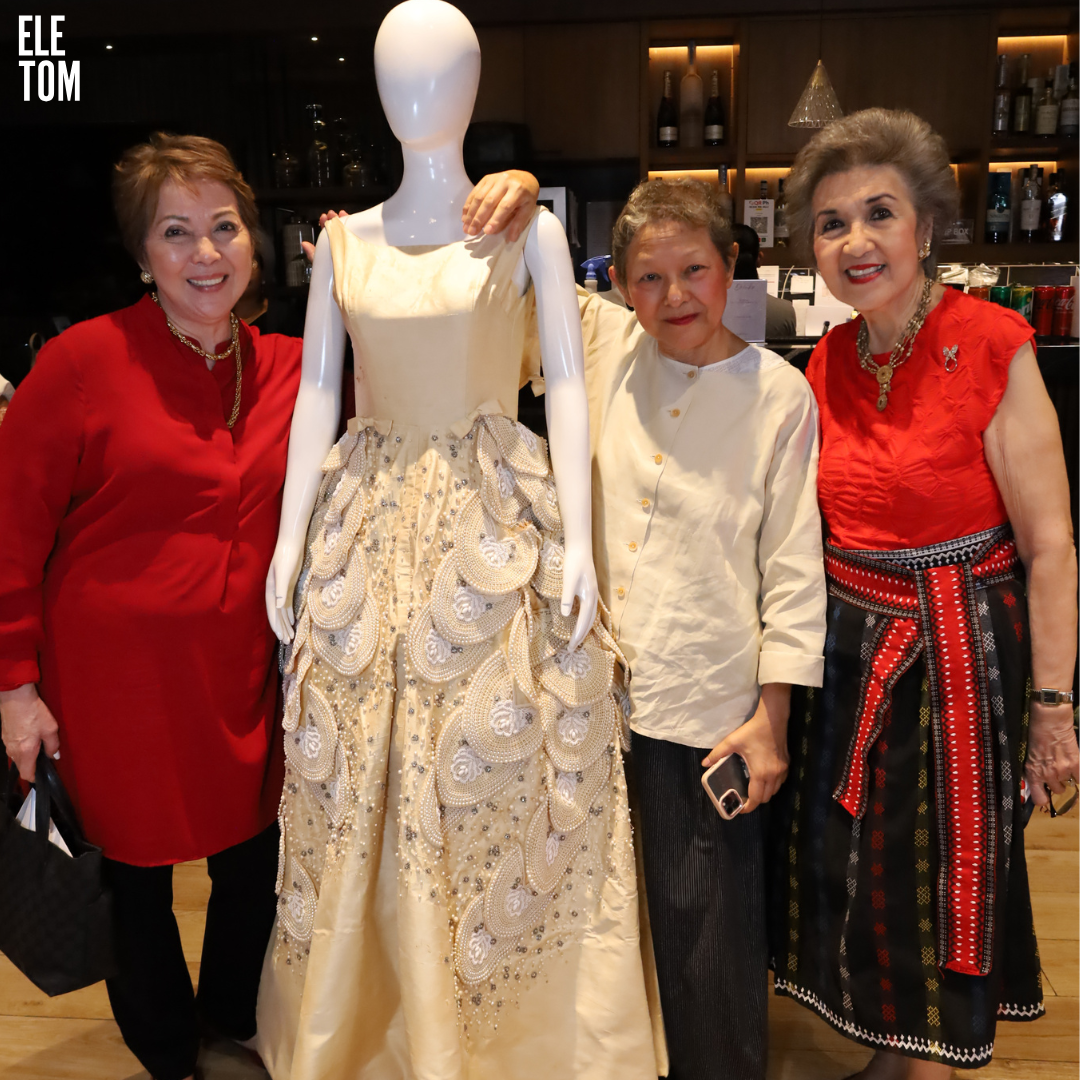
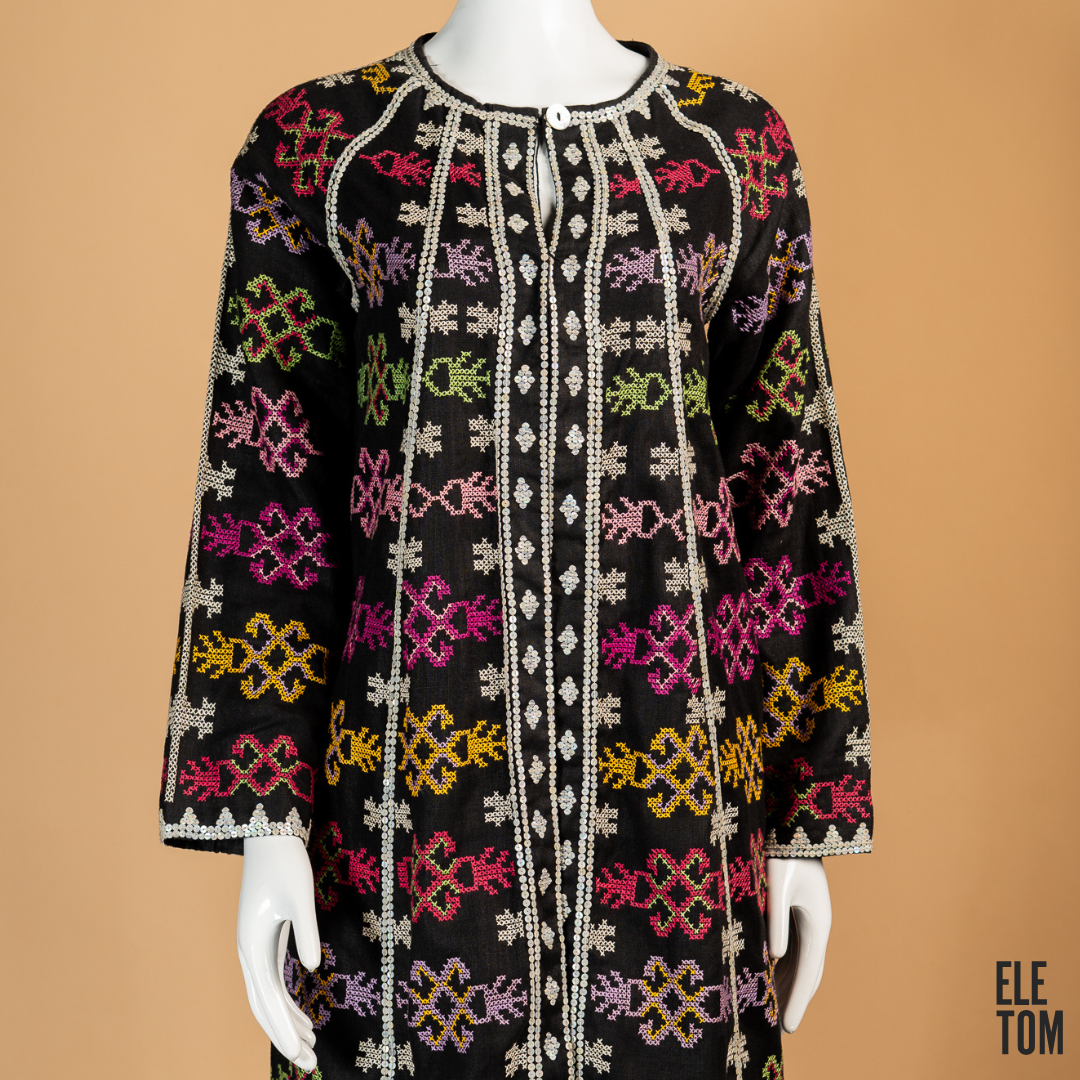
I had the opportunity to meet Maritess at a private fashion and art exhibition dedicated to her extraordinary life, aptly called 80 Terno, which highlights the custom-made ensembles to individual works of art that were made, each marking an important milestone in her life.
Upon entering the room, she caught everyone’s eye. She wore a skirt made from local Filipino textiles and paired it with two unique accessories: a triple-strand gold filigree tambourine necklace and a Yayoi Kusama silk scarf. Maritess smiled warmly, asking everyone how their day was going and thanking them for being there. When I finally sat with her, she said, “I love what you are wearing!” Of course, it was a moment when I felt the butterflies in my stomach, amazed by the fact that I was getting such a genuine compliment from a style icon.
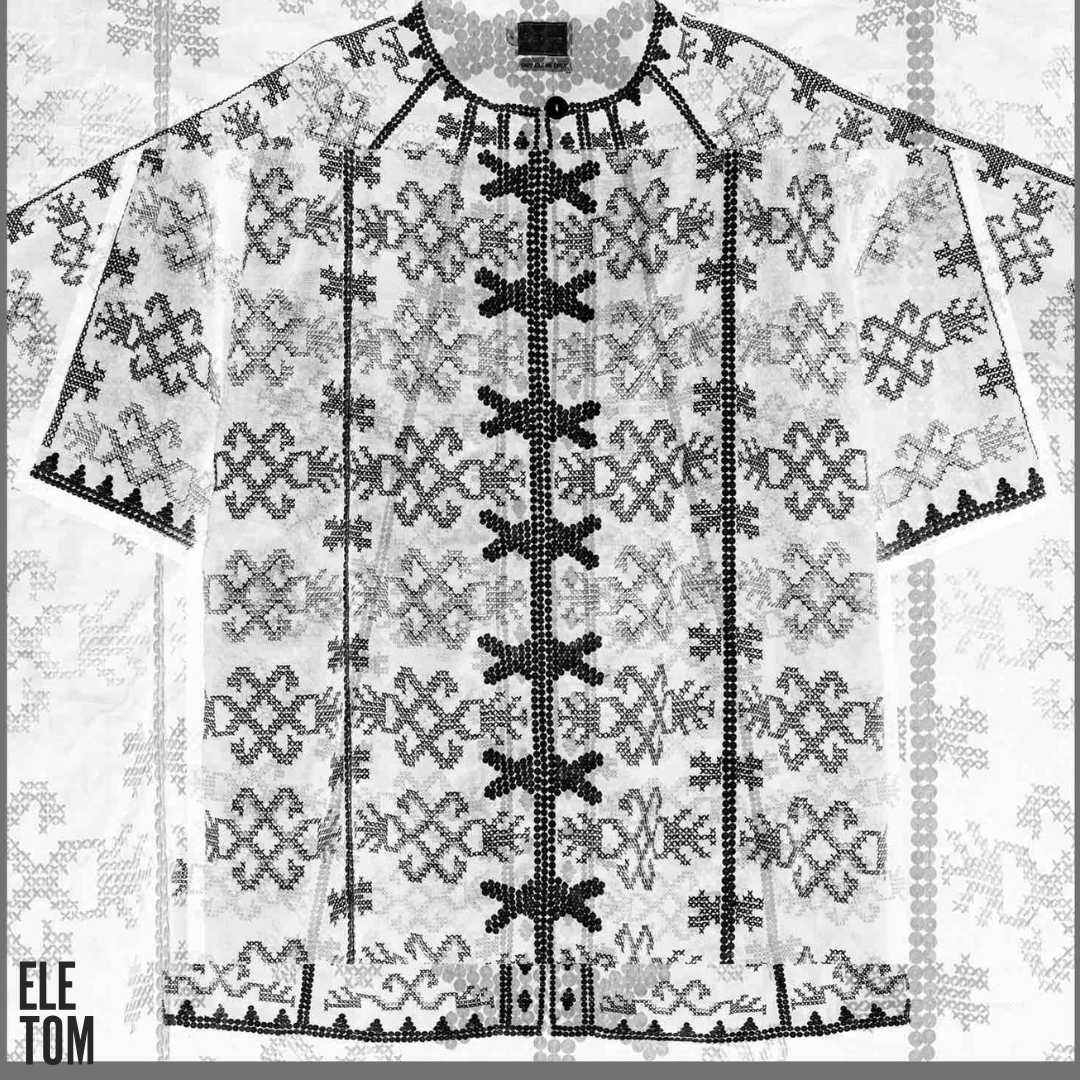
We started the conversation by discussing her personal style, to which she laughedly said, “Oh god, how can I describe it… Well, you know, my sense of style was greatly influenced by the era my mother lived in. It was a time when everybody dressed nicely for events like the big hotels’ ballroom or the beach. People would always put their best foot forward, which was very much related to Filipino culture.”
It was starkly different from how people nowadays dress. “At that time, those types of clothes weren’t costumes. They were what we wore regularly. Now, people just wear casual clothes depending on the occasion,” she says.
Today’s consumer culture focuses on fast fashion and quick outputs dictated by trends. With the conversation on sustainability shifting towards the growing environmental hazards coming from the fashion industry— there is now a call to change this way of thinking by going back to the past by utilizing local textiles from different regions around the Philippines and reinventing the definition of wearing ternos for the modern age.
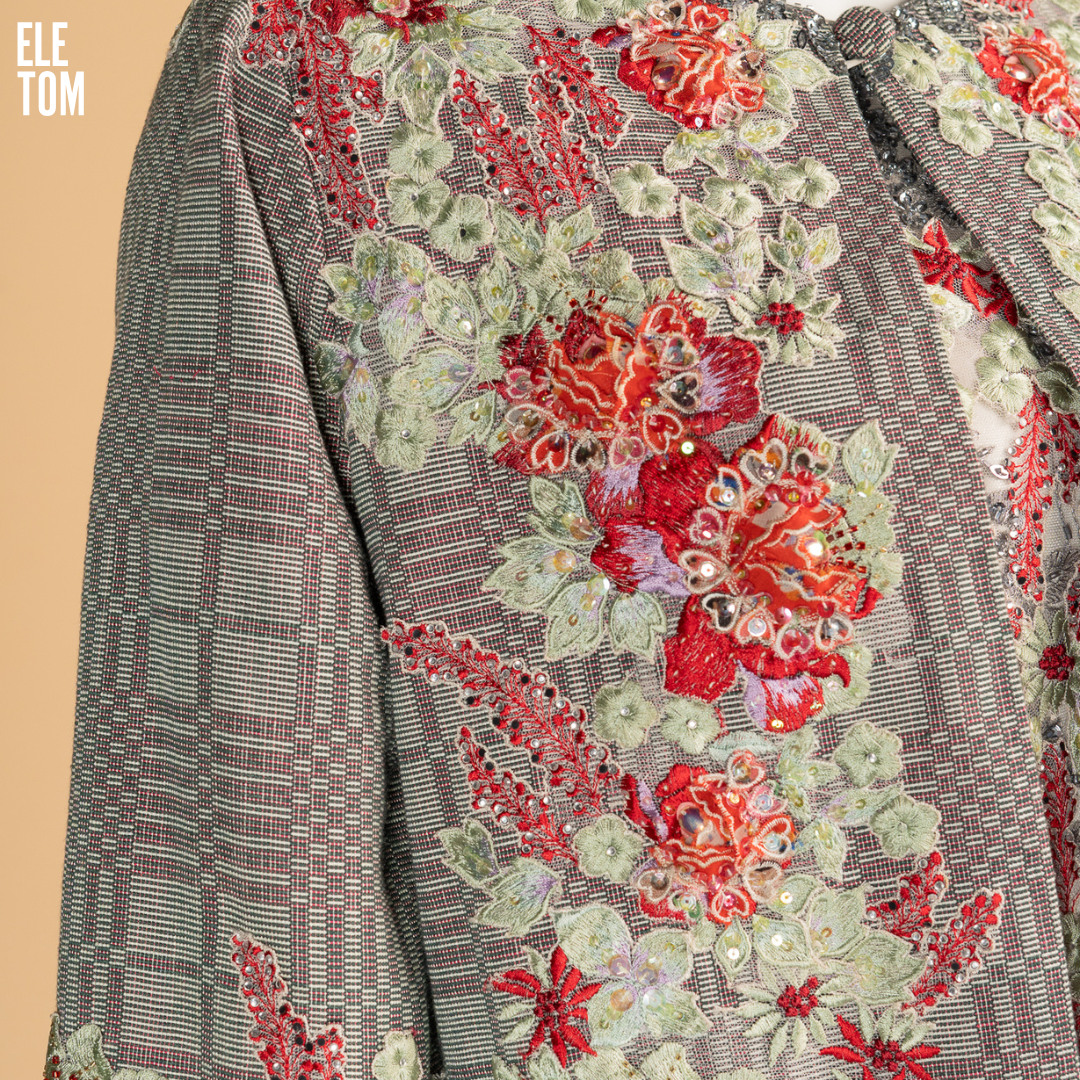
She gestures to her current get-up as an example, explaining how she would mix up her outfits with something inherently Filipino by infusing heritage as part of her identity. As she pointed out, it’s not difficult to do so — designers have found a way to make traditional Filipino clothing into everyday wear. In her opinion, it’s all about versatility, “You can wear it for any daytime or nighttime occasion if it suits the setting. What’s great is that we can wear our Filipino attire daily. Even though styles have evolved, there’s always an element of artisanal craftsmanship that never disappears.”
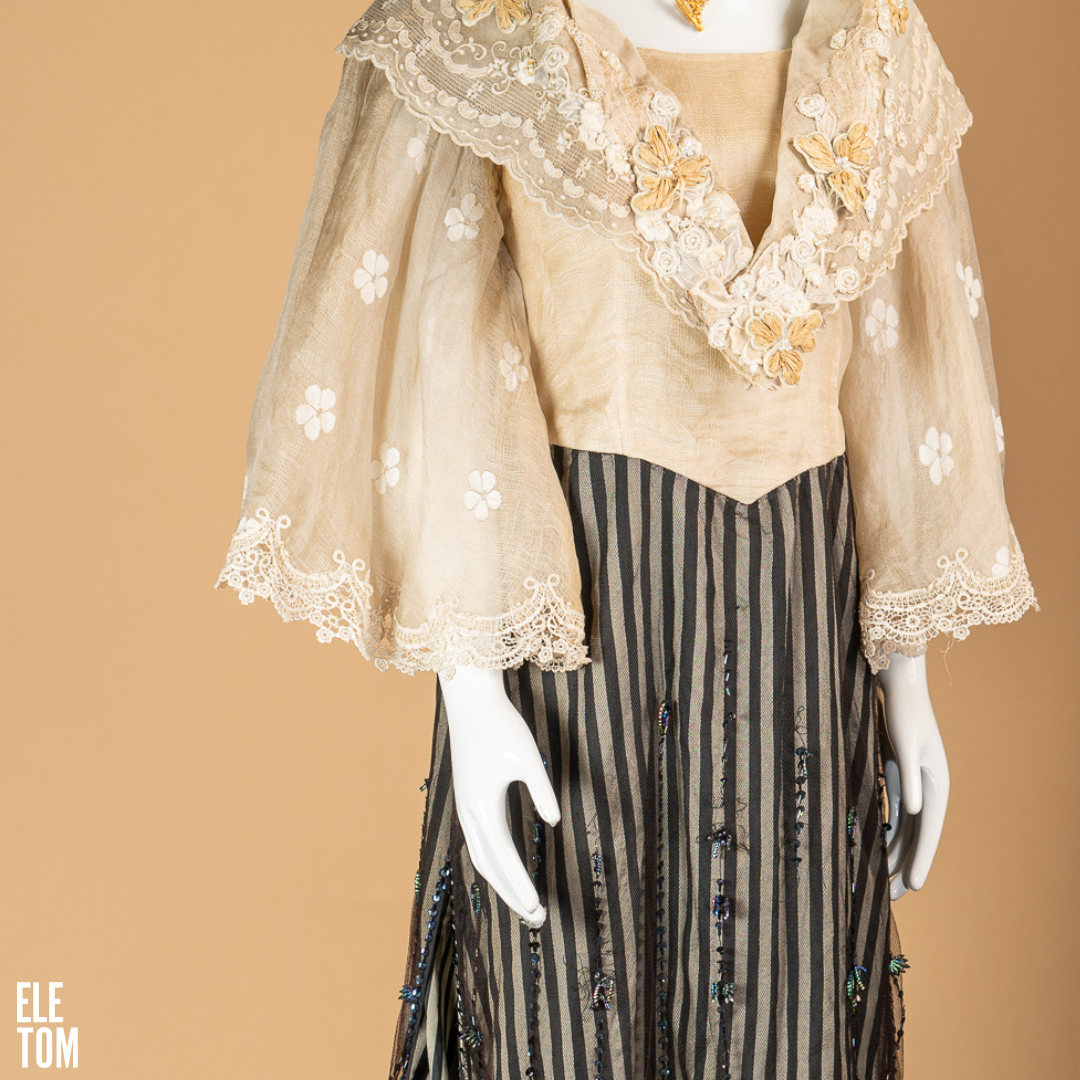

Her collaborations with renowned names such as Patis Tesoro, Steve De Leon, Ramon Valera, and Jor-el Espina represent how her identity as a fashion icon came to be. But it’s not just about wearing custom pieces all the time. According to Maritess, it’s about having an idea of what always looks good no matter what. Her go-to recommended pieces include the essential shift dress, “It’s tailored well and fits whether you gain or lose weight. The quality of the materials back then made these dresses fall so perfectly. Even when traveling, we used to wear tailored suits—not like now when people travel in jeans. We used to dress to be respected, especially when traveling by plane. Now, I try to adapt to the style of the times without going overboard. Classic pieces can last forever,” she says, citing the timeless appeal of Chanel’s iconic jacket. Her appreciation for classic pieces is something we can all learn from.
As we wrapped up our conversation, what struck me about Maritess’s style is how it transcends mere clothing; it’s a tribute to her heritage and a heartfelt celebration of Filipino culture. She embodies a thoughtful, sustainable style in an era dominated by fast fashion. By blending classic silhouettes with artisanal craftsmanship and adapting to evolving trends while remaining true to herself, she has curated an enduring and elegant wardrobe that would be stylish no matter what.
It’s a gentle reminder that fashion is more than a pursuit of style; it’s a meaningful journey connecting past and present. Her unique aesthetic, deeply rooted in tradition, serves as a testament to the timeless beauty of Filipino culture and the art of elegant, lasting design.
Cover Design & Graphics by Alexander Silkin | EIC: Natalie Steger | Creative Director: Claire Grisolano | Managing Editor: Cyan Leigh Dacasin
All images belong to Maritess Pineda and co.