
Jewelry, gioielleria, joyería, and bijouterie are just a few of the many words used by different cultures to describe their adornments, consisting of necklaces, rings, bracelets, and earrings. It’s a universal and culturally significant facet of our time here on earth that binds us together. Historically, the earliest forms of jewelry were often used for spiritual purposes because it was believed to have special powers that would grant a myriad of miracles. Earlier variations were made from shells, bones, and other raw materials.

As societies advanced, new techniques, such as creating jewelry made with metal and stone, were developed. Throughout history, the Egyptians were known for their elaborate gold jewelry made from emeralds and lapis lazuli. At the same time, the ancient Greeks and Romans valued gold, silver, and bronze jewelry since it became a marker of wealth and status. To this day, jewelry still holds significant sway over today’s society, from minimalist designs to more avant-garde pieces that fit their personal preferences.

For jewelry designers Anna Bario and Page Neal, their idea of creating a brand together came from their shared philosophy that the most precious things we hold dearly must come with a story. From this moment on, Bario Neal was created. The duo was drawn to the infinite possibilities of jewelry. Yet, they were disillusioned by the standards held in the industry, which is notorious for turning a blind eye to the dangers of unsafe mining sites and human labor. Their vision was to make jewelry of lasting value and ethical origins.
ELETOM had the chance to catch up with Page and Anna about everything related to Bario Neal, the future of ethical jewelry making, and supporting their fellow artisans.
Can you share more about the inspiration behind starting Bario Neal and the journey that led you to prioritize ethical and sustainable jewelry-making practices?
We were introduced to responsible sourcing in 2007, as we began researching the jewelry industry before creating Bario Neal. We founded Bario Neal in 2008 intending to create lasting and positive change within the jewelry industry. At this time, we were driven by this desire to understand the origins of the jewelry we wear intimately. We had many questions about the materials – where did our gold come from, who mined this particular diamond, and under what conditions? There is a mysticism to wearing materials that have formed underneath the earth’s surface for thousands of years. Maybe we’re romantics, but wearing this energetic power in your day-to-day is quite remarkable. We’ve also always believed that the way something is made becomes part of its legacy. So, we set out to ensure our practices aligned with our values of inclusivity, transparency, and gender equality.
In Bario Neal’s beginning, we experimented with creating a curriculum for teaching responsible sourcing and making, but the needs of running our own company were called louder. Since then, we’ve been involved in many aspects of pushing the industry forward, whether sharing information about less toxic studio practices and materials, publishing our bi-annual sustainability report to create more transparency within the industry, or lecturing at universities and industry conferences.
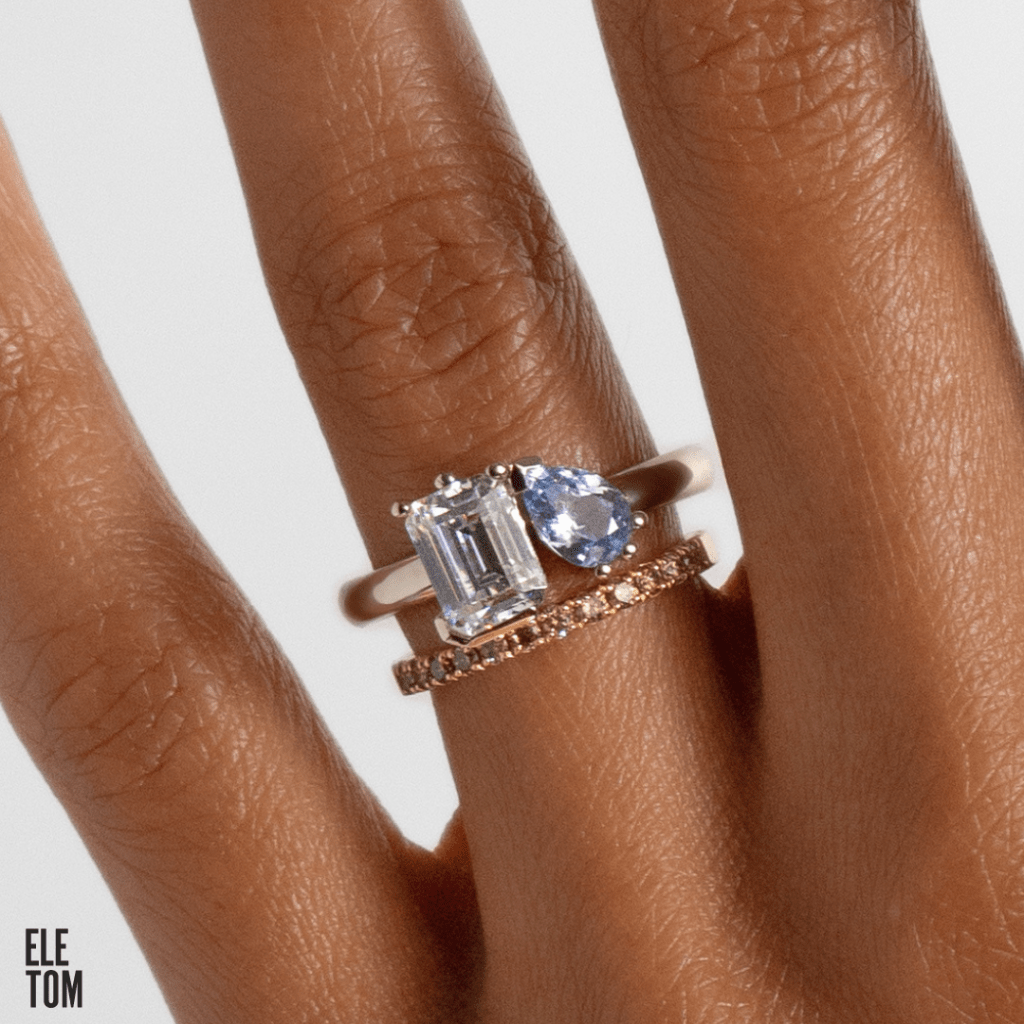
What specific steps does Bario Neal take to ensure the ethical sourcing of metals and gemstones for your jewelry pieces?
Ensuring ethical sourcing is crucial to us. Ethical sourcing includes traceable metals and gemstones and an in-depth process of evaluating our supplier partners, considering questions such as environmental impact, deforestation, mercury pollution, child labor, human trafficking, and health and safety concerns such as armed violence, as well as the interaction of informal or traditional labor in conflict with corporate mining and extraction. We start by having in-depth conversations with potential suppliers about these topics and asking for evidence to support their claims, as the process of finding sustainable and ethical pieces differs depending on the material.
What’s universal is that it starts with understanding the material – where is it mined if extracted from the earth? What is the history of mining that material locally? Are local miners organized, or is it very informal? What are the general local or regional regulations regarding that material and mining? Is the material extracted by hand or machine on a large or small scale? Are women employed in mining, and if so, are they paid equally? Where is the material processed, cut, and polished? What certifications might that facility have, and what information can we learn about health standards and labor laws at the cutting facility? If it is a lab-grown diamond, we want to ensure it is manufactured responsibly and with carbon offsets. If we can’t trace a material’s origin responsibly, we simply don’t use it.
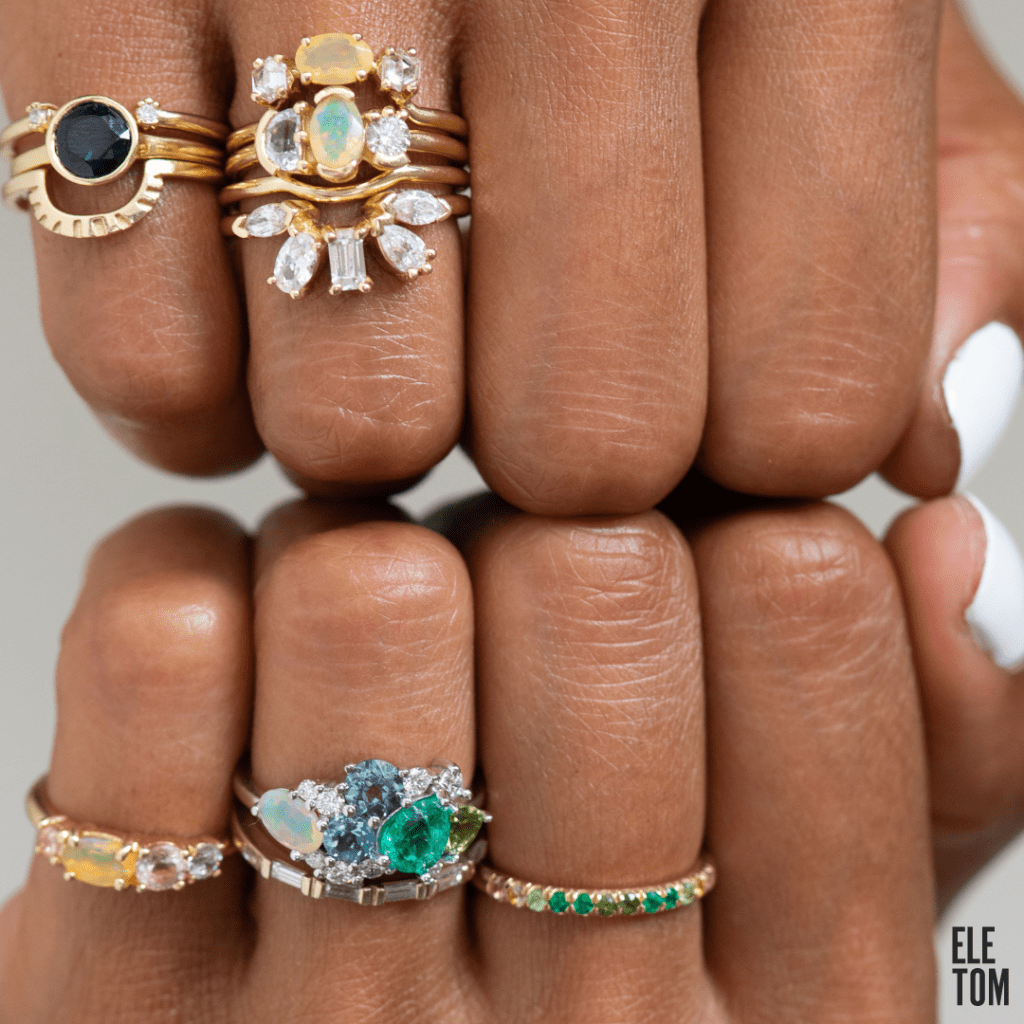
How do you maintain transparency throughout your supply chain to ensure customers can trust the ethical origins of your jewelry?
Transparency is key to building trust. We document our sourcing protocols and production process in our bi-annual Sustainability Reports, which we invest a lot of time and resources to make this education available to our customers. We also invest in continuous education for our team so that, as a company, we can ensure that we all understand and uphold our ethical standards.
Can you tell us about some challenges you’ve faced in implementing ethical and sustainable practices in the jewelry industry and how you’ve overcome them?
One challenge has been the industry’s resistance to change and lack of transparency. When we started out in jewelry, there was very little transparency about material origin and a lot of resistance to the questions we were asking. Now, a great subset of our field is committed to this work and connected to each other. A parallel track of greenwashing has developed alongside that. Still, at the same time, customers are so much better informed about the potential risks of invisible sourcing and manufacturing that we can have much deeper conversations about these issues. We’ve overcome these challenges by building strong partnerships with like-minded suppliers and actively participating in industry discussions to push for ethical standards. It’s been a journey, but our progress keeps us motivated.
Additionally, we’ve always described ourselves as artists first, perhaps different from other models. We don’t organize our design process or customer service with a profit-first mentality. We believe this lends itself to more creativity and a higher quality product. Our process is iterative and collaborative, inspiration-based from the natural world and historical or cultural movements, resulting in a distinct style and craftsmanship. We have always held to this identity, including our founding ethos and design aesthetic. We’ve been through some hard times and big life changes and have emerged resilient. This takes a lot of trust in one another and a willingness to sit in uncertainty.
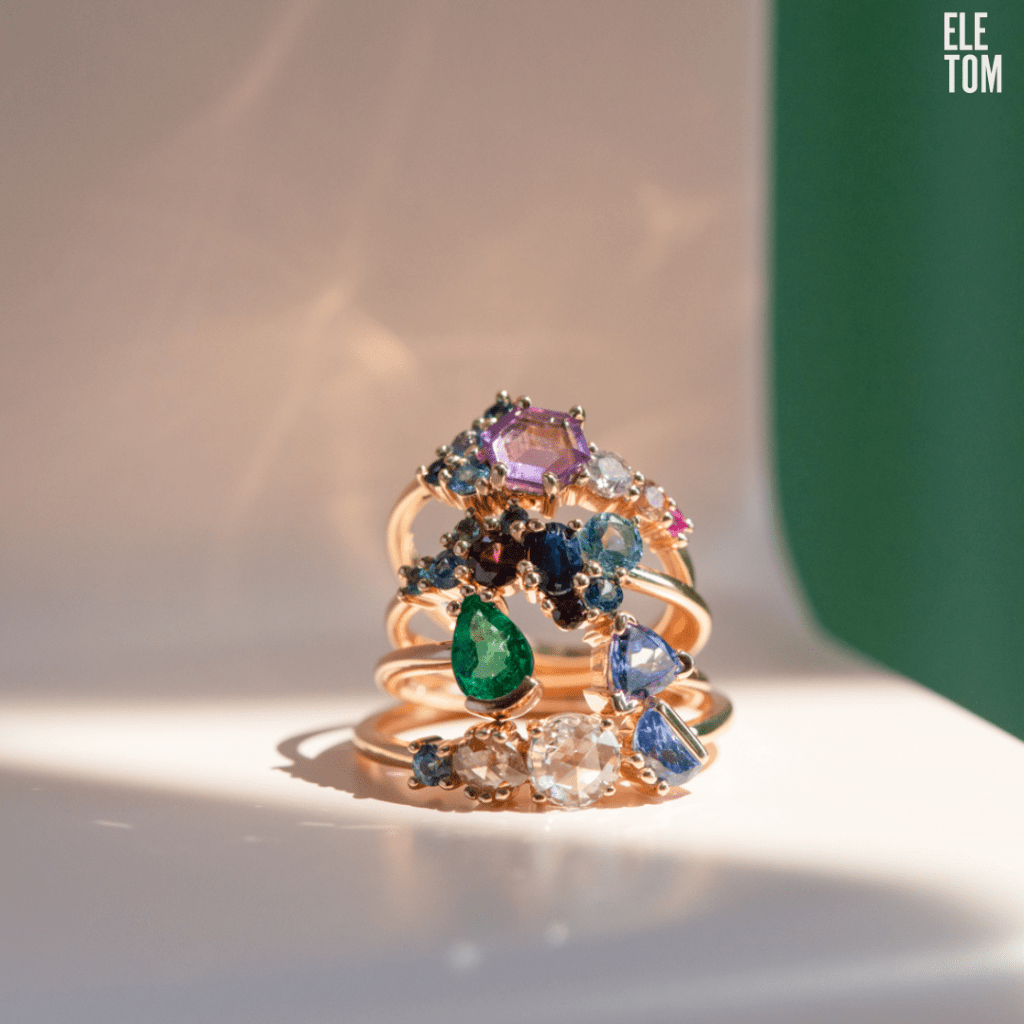
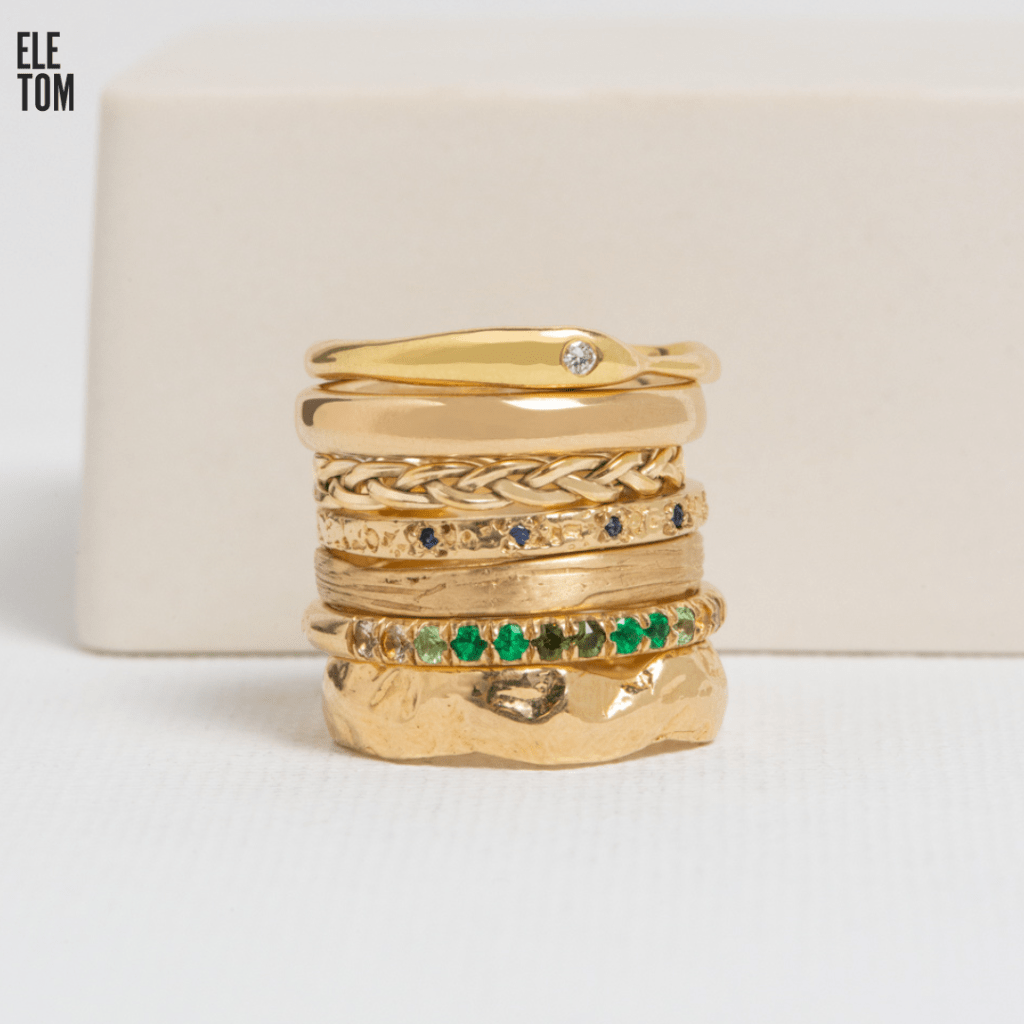
In what ways does Bario Neal support local artisans and communities in your jewelry production process?
We have an in-house team of specialized jewelers in our Philadelphia workshop who make all our products. We also partner with eco-friendly regional manufacturers and specialized artisans. By preserving specialized craftsmanship like hand engraving and glass enameling, we support local talent and ensure that each piece carries a distinctive touch of artistry. We also love collaborating with other small businesses and have partnerships with artists, musicians, and other designers.
What criteria do you use to select the materials used in your jewelry beyond just ethical considerations?
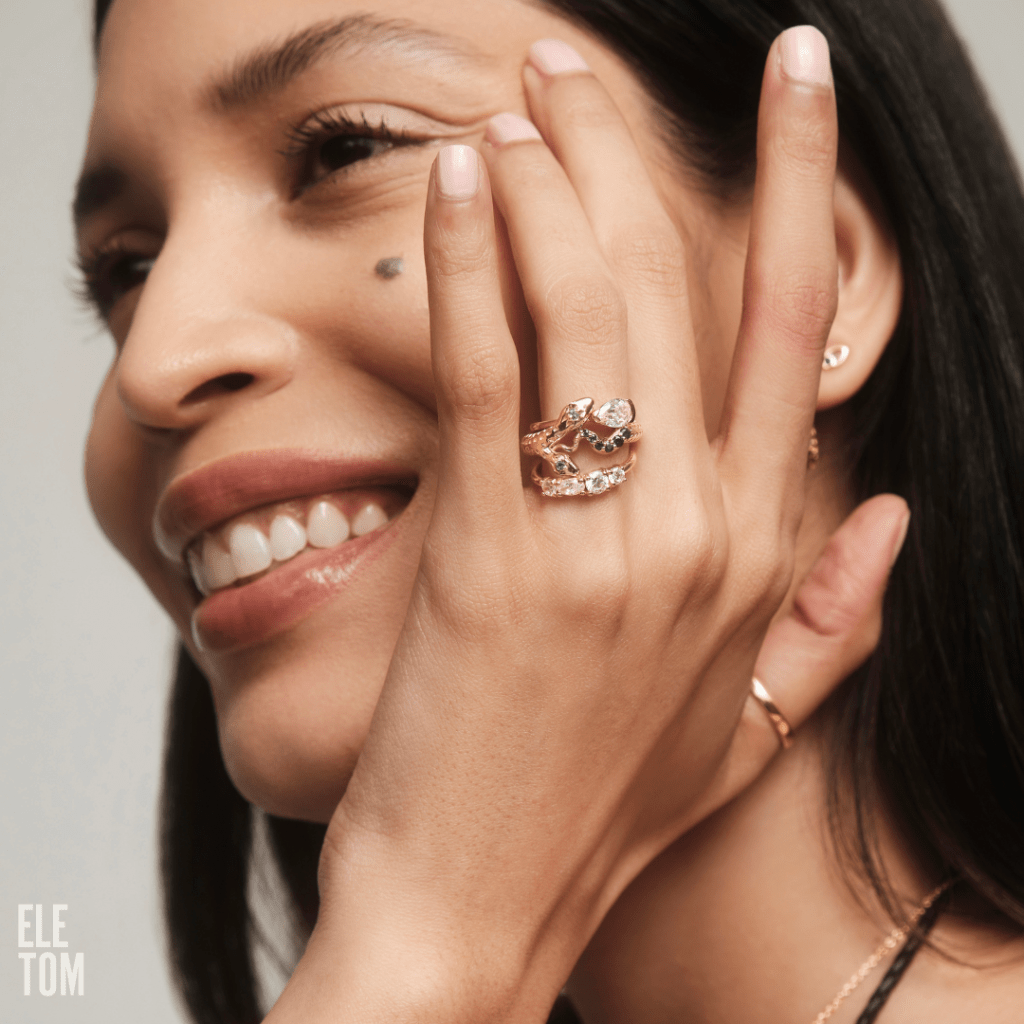
While ethics are paramount, we also look for quality, durability, and unexpected beauty in our materials. We only use reclaimed precious metals, Fairmined gold, and ethically sourced stones to ensure our jewelry meets ethical standards and reflects superior craftsmanship and timeless design. This is so important because, unlike many objects in our lives, jewelry is intended to be passed down through generations. We only want to make objects of lasting value.
Due to our environmental commitment, we do not look for the most affordable or easily available options for our materials and making. This differs from the model at much bigger companies with limited offerings and mass-produced overseas. Because we make our jewelry to order, we do not have excess stock that could be wasted. And often, when working with clients on a custom design, we repurpose their heirloom materials.
How does Bario Neal approach design to ensure that each piece reflects your values and tells a unique story?
All our jewelry is intended to hold meaning, whether starting with a focus on a concept or inspiration from outside jewelry or with a specific type of material like a one-of-a-kind stone such as bi-color sapphire slices. We work hard to protect the sacred elements of the design process from outside pressures, as design for us is about more than a trend; it’s about storytelling from mine to market to a timeless object. We collaborate closely with our clients for custom designs and heirloom renovations, infusing each piece with personal meaning and connection. We spend time getting to know their style and what they would want for longevity. Then, we also bring our distinct design aesthetic to the process so that we can open options for them that haven’t been explored yet. We believe in building your jewelry collection around celebrations or significant life events. Jewelry is a powerful conduit, and it’s a beautiful idea to imagine passing down your most meaningful memories to those you love in an object form.
We’ve also been working with many ‘imperfect heirlooms’ lately, renovating and remaking clients’ family jewelry and heirlooms intended for one purpose but destined for a new one. Life can be messy and sad, and just as our jewelry is a talisman for our deepest loves and aspirations, it can also hold the memory of loss or the end of a relationship. We love that redesigning heirlooms allows us to retain that colored history and reimagine it for the future with new life and intention.

Could you elaborate on the measures taken to minimize environmental impact throughout your jewelry’s production and packaging process?
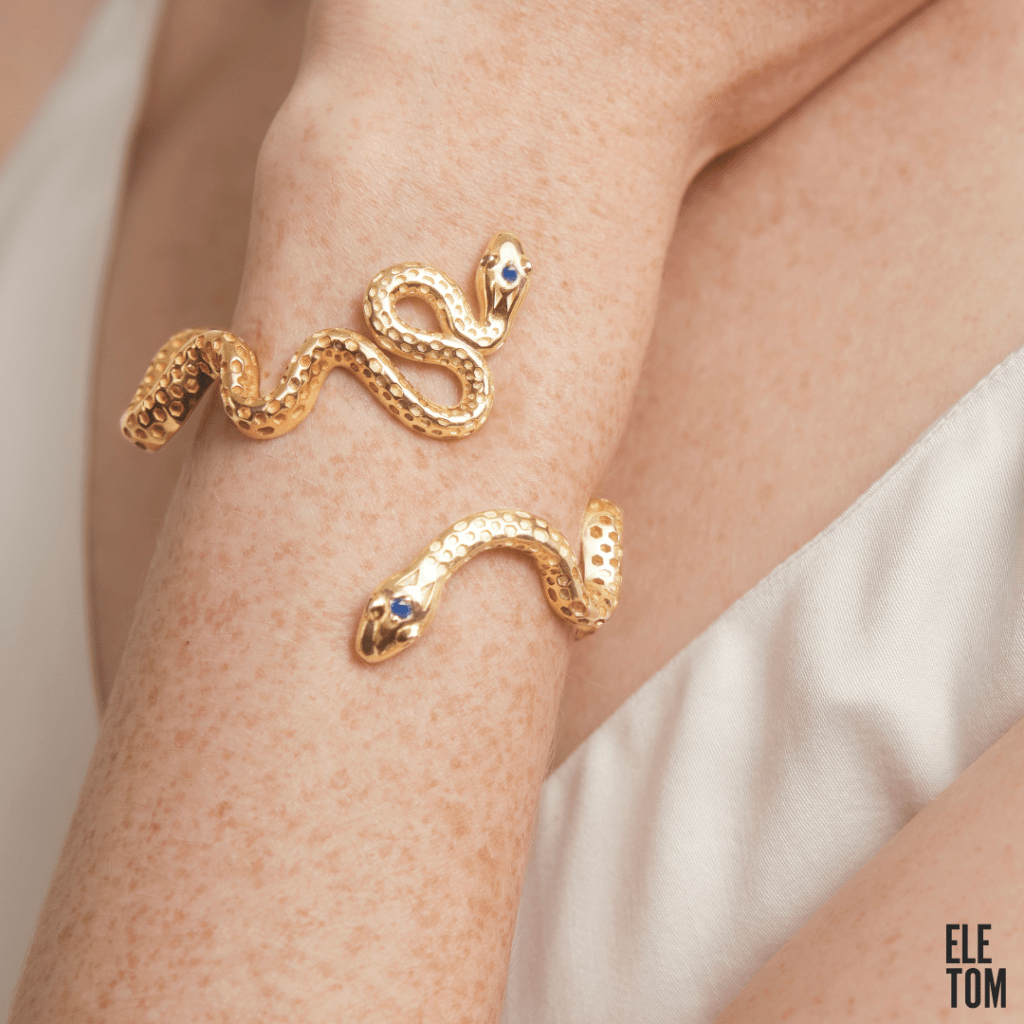
Minimizing environmental impact will always be a continuous effort. Currently, we use 100% certified and recycled precious metals and recycled diamonds, promote circularity, use as much material as possible – even scrap metals, and source locally to reduce our carbon footprint. Our sustainable packaging is another aspect where we prioritize eco-conscious materials to ensure our commitment extends from production to delivery. We recently redesigned our packaging at a significant cost to our company, but to gift our customers elevated, multifunctional, eco-friendly packaging they would never want to throw away. We don’t want to put objects into the world that will eventually end up in landfills.
What initiatives or partnerships has Bario Neal been involved in to promote greater awareness and adoption of ethical and sustainable practices in the jewelry industry?
Anna has been on the board of Ethical Metalsmiths since 2014 and has served on the board of the Jewelry Industry Summit for many years. Both of these organizations have been instrumental in bringing together perspectives from throughout the industry to name the problems and risks we face, to highlight the voices of the people and ecosystems most impacted, to share resources and information, to create and foster initiatives that test concepts and standards, and even to define key terms so that conversations about responsibility sourcing in jewelry are based on research and shared knowledge.
As a company, we’ve long advocated and supported organizations working to eliminate Mercury from gold mining. We were one of the first companies to participate in the Fairmined Assurance Label, have advocated against the development of the Pebble Mine in Bristol Bay, have consulted with experts in the field to develop our internal processes and leap at the opportunity to help push our industry toward excellent transparency and sustainability.
How do you envision the future of ethical jewelry making, and what role does Bario Neal aim to play in shaping it?
We believe that the way something is made becomes part of that object — so the history of how every material, person, and place was treated in its creation becomes part of the legacy of that object. Ethically sourced materials and conscious manufacturing create future heirlooms that will be passed down with pride and confidence for generations. We envision a future where these ethical practices are the norm in the jewelry industry. At Bario Neal, we want to lead by example, constantly questioning and improving our practices, educating others, and fostering collaborations for positive change. We hope to inspire and shape a more responsible and conscious jewelry industry for generations by prioritizing sustainability and craft.
For more on Bario Neal, check out their Instagram here: www.instagram.com/barioneal