
I’ve been bitten by the travel bug for as long as I can remember, with my stories coming from a bright history of exploring three continents, 13 countries, and counting. – Cyan
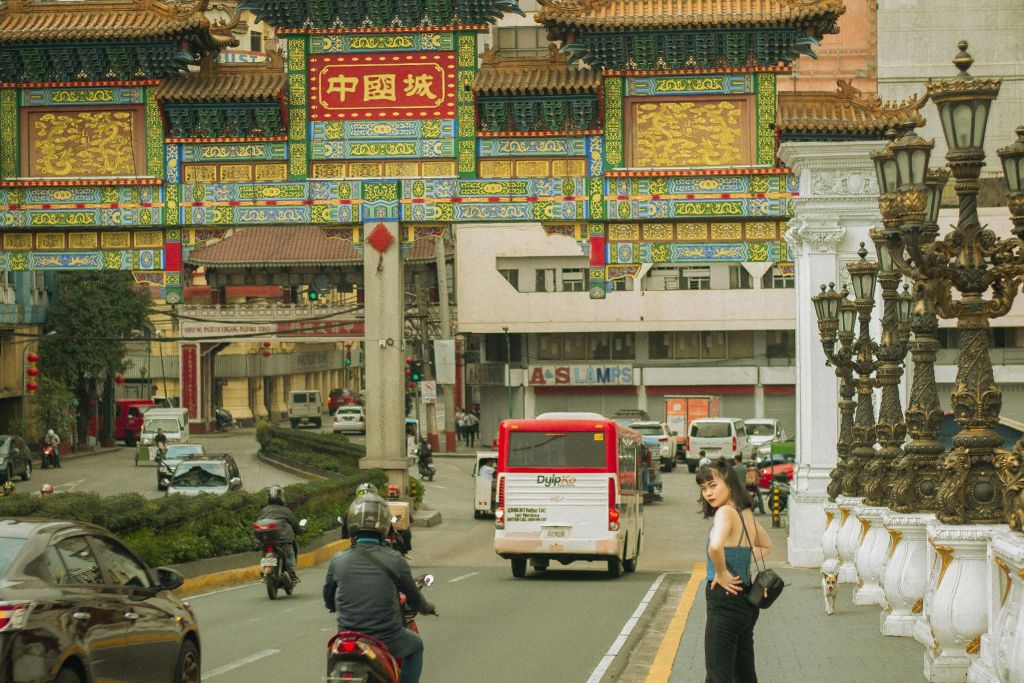
Established in 1594 by the Spanish government under Luis Pérez Dasmariñas as a permanent settlement for Chinese merchants, Binondo, located in the heart of Metro Manila, Philippines, holds the distinction of being the oldest Chinatown in the world. For 430 years, it has been the official center of Chinese trade, commerce, and migration. The long relationship between the Philippines and China goes back to pre-colonial times with Chinese silk merchants traveling to the neighboring kingdoms and tribes (which didn’t have an official name until the arrival of the Spanish in 1521) of a Hindu-Malayan empire that connected its roots from Java and Sumatra.
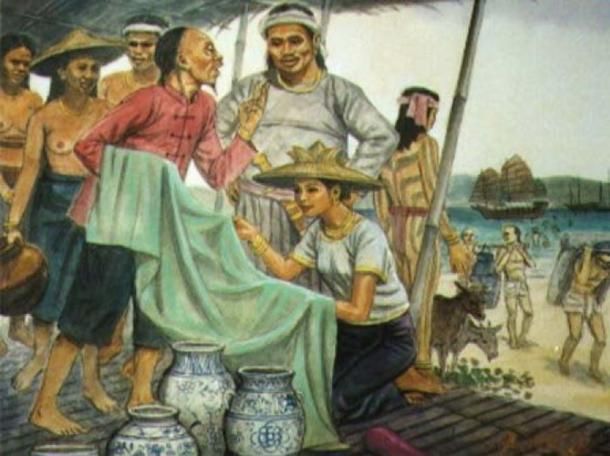
In the following years, trade between the islands and the mainland prospered as the local tribes exchanged rice, Burnay clay pots (‘Ruson-tsukuri’- Japanese) from Filipino kilns were in demand, along with numerous local agricultural products and gold in exchange for porcelain and silks.

During the Spanish period, Philippine-Chinese trade expanded globally because of the Manila—Acapulco Galleon trade, a route that traversed the Philippines to Mexico and eventually reached the European market. In modern times, Binondo’s reputation as a bustling commercial hub hasn’t faded with time; the district cemented its reputation as an enduring testament to the legacy of the Filipino-Chinese community. Its streets are surrounded by traditional Chinese architecture, temples, stores, and eateries serving authentic dishes since 1866.
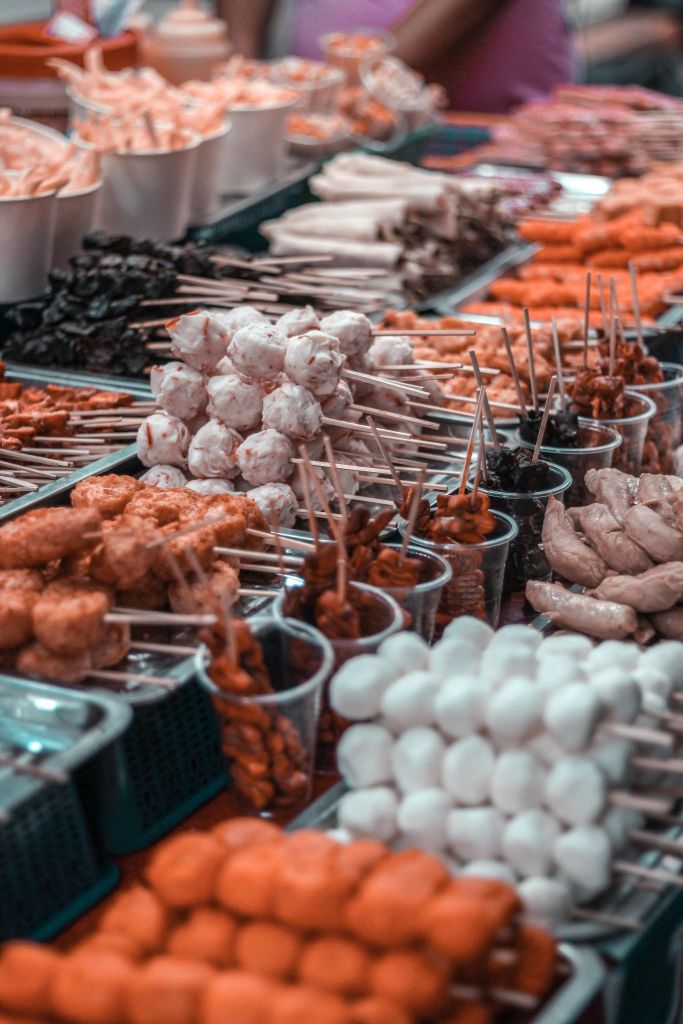
The incredible food scene of Binondo is renowned for its servings of authentic Filipino-Chinese cuisine, with a combination of tourists and locals savoring delicious dishes and snacks on what is now famously known as the “Binondo Food Crawl.”
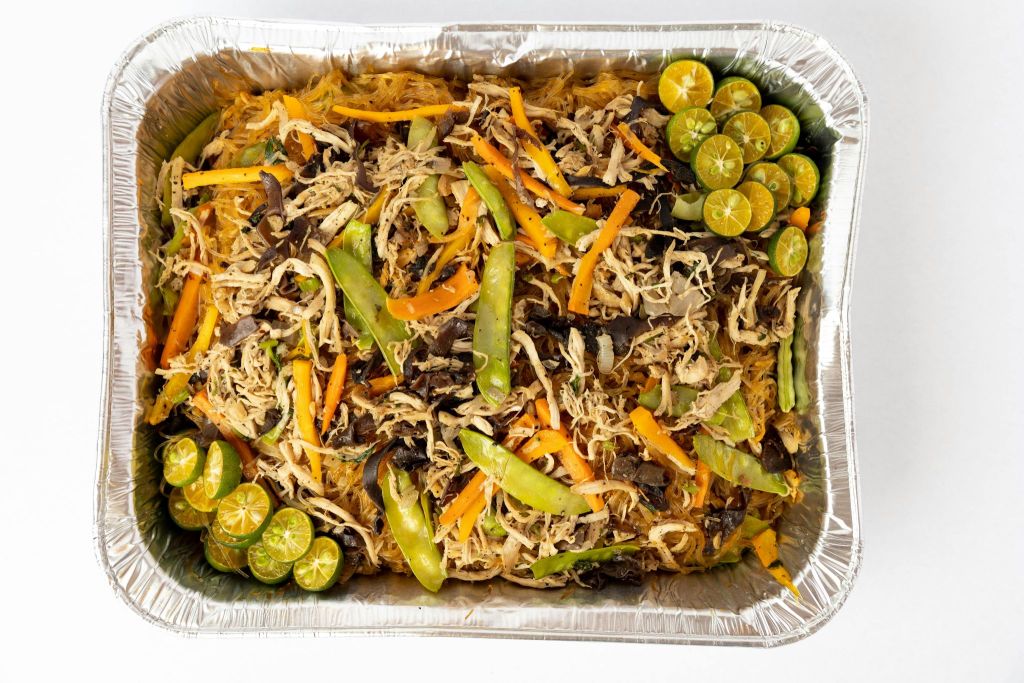
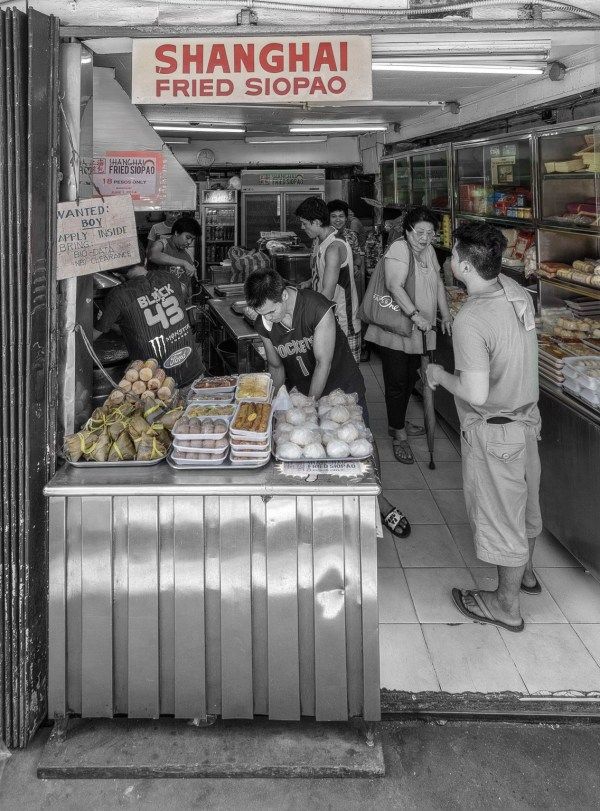
Try a taste of the past with Toho Panciteria Antigua, the oldest Chinese-Filipino eatery in the country; famous for its Hokkien dishes, such as the miki-bihon, a dry noodle stir-fry made from two kinds of noodles with meat and vegetables, and Lumpiang Shanghai ( a pork and vegetable spring roll). If you find yourself craving more, Dong Bei Dumplings is about to be your favorite spot. In this unexpected location, you can watch the staff make the best chive and pork dumplings by hand with incredible precision and speed.
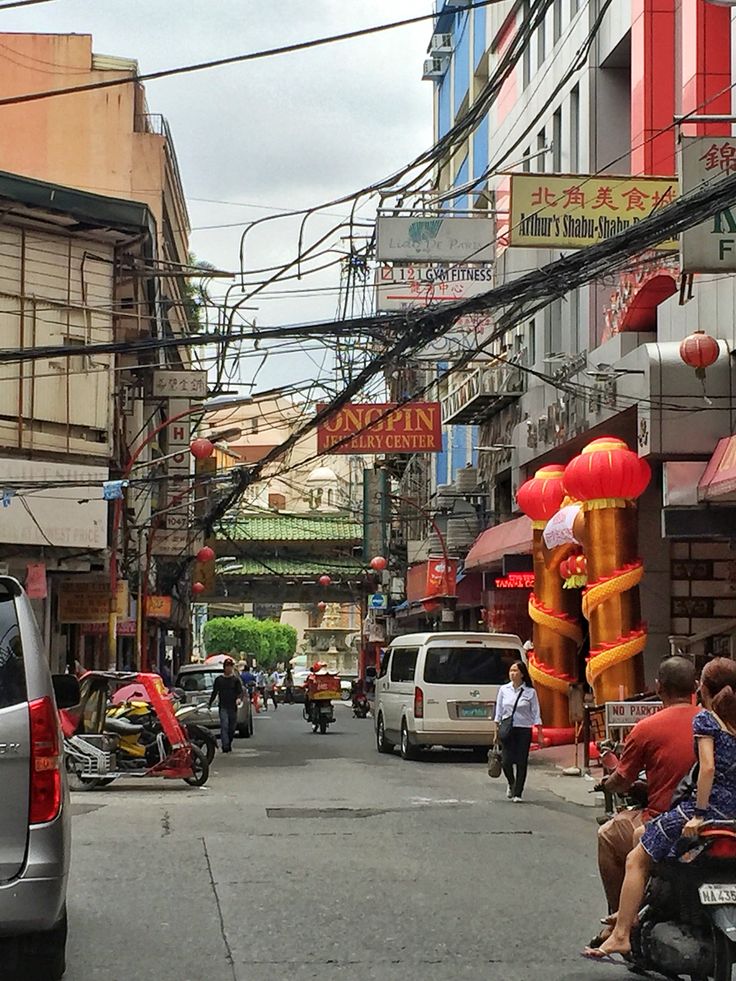
A little down the street, you can find Eng Bee Tin, an international Chinese patisserie known for its Tikoy ( New Year Cake) and Mooncakes. Aside from the astonishing amount of great food and drinks, Binondo is a great place to get one-of-a-kind items and services such as antiques, crystals, tea shops, herbs, acupuncture, and feng-shui practitioners. A majority of these establishments are located on Ongpin Street, where Grandmasters in Feng Shui, such as Mr. Ang, constantly demonstrates his prowess in determining the direction of his client’s life.
A revival movement for heritage monuments is taking place to invigorate Old Manila’s beauty with Binondo’s other streets, such as Escolta and Juan Luna, shining as new communes for the current generation’s artistic and creative endeavors.

Escolta, Manila circa 1950s AGSL Digital Archives
Creative groups such as The HUB Make Lab utilize institutions such as the First United Building as co-working spaces and unique retail spots such as Glorious Dias, a curated vintage store by multidisciplinary artist Jodinand Aguillon. Other notable establishments include The Calvo Building Museum, a delightful repository of pre-WWII artifacts featuring music sheets and newspapers from the late 1800s to 1900s.
Glorious Dias Display at the First United Building


Beyond its captivating charm and cultural allure, Binondo’s entrepreneurial spirit continues flourishing with its blend of modernity and tradition. Even if you just stroll along the district’s narrow alleyways, it’s almost impossible not to embrace that palpable energy that continues to enchant visitors and locals daily.
Photo by Gian Marco